Browsed by
Author:

Digital Banking Framework Boosts Financial Access

Digital Banking Framework Boosts Financial Access

The financial world is changing fast with the rise of Digital Banking. This change is reshaping how we talk and work with banks. The Central Bank of Sri Lanka has stepped up. They launched a big plan for Digital Banking. It aims to make financial services available to more people in the country. This plan started with a new law, the Central Bank of Sri Lanka Act No. 16 of 2023, in September 2023.

Today, about 31% of adults around the globe don’t have bank accounts. But, the rise of tech like mobile money shows a bright future. Sri Lanka is leading the charge in this change. The country’s policies focus on making banking accessible for everyone. With digital tools, Sri Lanka wants to help the 1.7 billion unbanked adults. Many of these people already have a mobile phone, a key tool for growth.

Central Bank Introduces Digital Banking Framework to Enhance Financial Inclusion

The Central Bank is working hard to improve digital tools and create solid banking rules. This is to keep the economy stable. Thanks to these efforts, the Sri Lankan rupee is stronger, and the country’s reserves have grown since March 2023. Another move is making the Sri Lanka Deposit Insurance Scheme stronger with World Bank’s help. This shows a deep commitment to protecting customers and boosting the banking world.

To support this goal, the Central Bank introduced a new Digital Banking Framework. It lays out clear rules and guidelines. This shift has led to easier monetary policies. For example, there were cuts in policy interest rates and limits on rates for some loans in late 2023. In 2023, rates dropped by 650 points, and another 50 points in March 2024. These changes are about making it easier to get credit and grow the economy. They show that digital banking is key to the future of finance.

The Evolution of Banking Toward Digital Financial Inclusion

The Evolution of Banking has changed from Traditional Banking Models to advanced digital platforms. This brings a new era of Digital Financial Inclusion. Around the world, banks are now focusing on User-Friendly Banking Solutions. These solutions improve Customer Experience and Accessibility in Banking. Thanks to technology and policy improvements, we’re moving toward a more inclusive financial world.

The Shift From Traditional to Digital Banking Models

Digital platforms lead today’s banking innovations. Traditional banking, with its limits, is making way for digital banking solutions. This change means banking services are available anytime, improving convenience and availability drastically.

Advent of Mobile and Internet Banking Services

The rise of mobile and internet banking services is a key development. These services use technologies like biometric security and real-time notifications. They make banking more convenient, secure, and trustworthy. Central banks worldwide are supporting digital banking, speeding up its growth and use.

Improved Accessibility and Customer Experience

Digital banking has made services more accessible for everyone. Innovations like peer-to-peer payments and digital wallets have transformed how we bank. Now, even those in remote areas or previously underserved groups have better access, promoting financial inclusion.

Aspect Traditional Banking Digital Banking
Accessibility Limited by location and time 24/7 accessibility, global reach
Customer Experience Standardized services Personalized, user-friendly solutions
Innovation Incremental improvements Rapid, technology-driven changes

This evolution merges technology with finance, showing a move toward more flexible, efficient banking. The path of banking innovation is still unfolding, promising a bright future for financial services.

Central Bank Introduces Digital Banking Framework to Enhance Financial Inclusion

The Central Bank of Sri Lanka is leading the way with Digital Banking Regulations to improve access to financial services. It’s using technology’s power to make finance more available to everyone. A digital banking framework has been rolled out to help more people get banking services.

This framework focuses on bringing new financial products to those without bank accounts or with limited banking access. It aims to create a supportive space for financial tech innovations. This way, every citizen can access banking that’s both safe and affordable.

The FinTech Regulatory Sandbox, launched in 2019, was a big move by the Central Bank. It’s a space where new tech can be safely tried out. This helps companies bring new services to the public faster and with fewer risks.

According to the Central Bank, this initiative aligns with the broader goal of transitioning to a less-cash society, supported by digital solutions that enable efficient financial intermediation and higher levels of financial inclusion.

Central Bank statistics show the positive effects of these moves. For example, adjusting policy interest rates has helped keep the economy stable. Stability is key for the growth of digital finance in the long term.

  1. Facilitation of innovations in financial products and services.
  2. Reduction in transaction costs and improvement in service delivery.
  3. Creation of opportunities for the unbanked to participate in the financial system.

Through its focus on digital banking regulations, the Central Bank is boosting economic growth and making financial inclusion a reality for all in Sri Lanka. These actions highlight how digital advancements can lead to a financial system that’s fair for everyone.

Key Benefits and Features of Digital Banking Solutions

Digital banking changes how people access and use money. It integrates Mobile Banking Empowerment, Innovative Banking Features, and Cost Saving in Banking. These changes much improve how banks work and serve us.

Mobile Banking and User Empowerment

Mobile banking lets people handle their money easily and safely. Its popularity has grown a lot, helping banks reach more people. For example, the State Bank of India’s YONO app got over 26 million users in 18 months. Systems like these make banking available to everyone and give users more control.

Cost Saving and Efficiency for Financial Institutions

Going digital helps banks save a lot. They make more money and spend less by using digital tools. Digital banking also cuts down manual work. This means banks can offer better deals, showing the big benefits of going digital.

Innovative Banking Features Fueling Financial Inclusion

Digital banking is not just for basic banking. It lets people open accounts quickly from anywhere. This is key to helping more people use banking services. Banks use smart tech to make services fit each user better. This makes customers happy and helps banks reach more people.

Digital banking offers many services, from paying bills to getting investment advice. It opens banking to more people, helping the economy grow.

Feature User Impact Efficiency Gain
Mobile Banking Apps Enhanced Accessibility Reduction in Physical Branch Visits
Digital KYC/AML Protocols Instant Account Setup Reduced Operational Hassle
AI-driven Personalization Tailored Financial Advice Improved Customer Retention

Digital Banking Solutions create a new way to manage money. They make financial services available to more people. This helps achieve goals for global development and fairness.

Expanding Financial Access through Digital Infrastructure and Policy

Our world is now digital, and having access to financial services is key to growing the economy. Many countries have invested heavily in improving their digital setups. This is so people everywhere, especially in less developed places, can use these services. Places like China, Egypt, and Mexico have seen big investments, aiming to make banking and payments online easier for everyone.

Creating policies tailored for digital finance is another big step. The Digital ID Working Group pushes for using digital IDs. This helps users interact with financial services safely and smoothly. It opens doors for more people to participate in banking without worry. Guidelines like the Toolkit for Regulatory Authorities show how these steps can make a big difference.

Digital platforms, like M-Pesa in Kenya, show how impactful online banking can be. It has made a big difference in Kenya, where many people use their phones for banking. Such success stories are what OMP Sri Lanka focuses on sharing. They keep an eye on significant trends, including Sri Lanka’s economic crisis. These efforts point out how a stable economy with wide financial inclusion is within reach. All it takes is continuous work on policies and infrastructure.
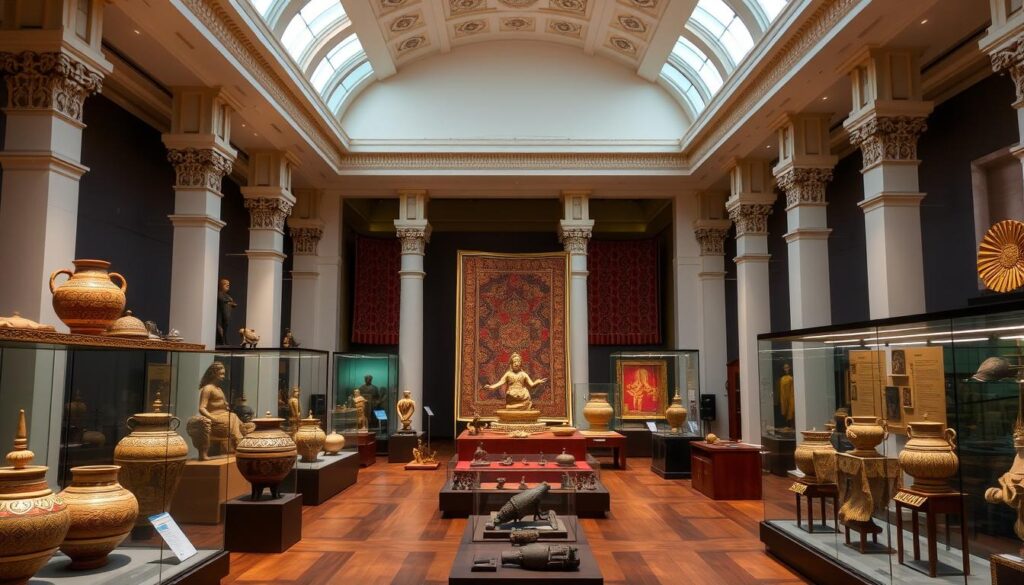
National Museum of Colombo Unveils Exhibition Showcasing Ancient Artifacts

National Museum of Colombo Unveils Exhibition Showcasing Ancient Artifacts

The National Museum of Colombo has unveiled a captivating exhibition of ancient artifacts. It showcases Sri Lanka’s rich cultural heritage through historical relics. Visitors can explore fascinating pieces from various ancient civilizations.

The Colombo National Museum, established in 1877, is a premier destination for archeological discoveries. Its diverse collection spans archaeology, anthropology, art, and ethnography. Visitors can see ancient manuscripts, regal statues, traditional masks, and historical weapons.

National Museum of Colombo Unveils Exhibition Showcasing Ancient Artifacts

The museum is open from Tuesday to Sunday. Entry fees are Rs. 500 for foreigners and Rs. 25 for local adults. Guided tours are available to enhance the visitor experience.

Photography is allowed in most areas, with some restrictions. The exhibition offers a unique journey through Sri Lanka’s vibrant history. Visitors can explore artifacts from prehistoric times to ancient civilizations.

The National Museum of Colombo is a must-visit for history and archaeology enthusiasts. It attracts visitors worldwide with its impressive collection and engaging exhibitions. The museum remains a cornerstone of Colombo tourism, showcasing Sri Lanka’s cultural tapestry.

Discover the Rich Cultural Heritage of Sri Lanka at the Colombo National Museum

Step into Sri Lanka’s vibrant past at the Colombo National Museum. Established in 1877, it’s the country’s largest and most-visited museum. It houses a wealth of artifacts showcasing the island’s fascinating history.

The museum’s collections span from ancient times to the colonial era. In the Gallery of Ancient Kings, you’ll find royal regalia and artifacts. These exhibits offer insights into Sri Lanka’s cultural tapestry and identity-shaping traditions.

Immerse Yourself in Sri Lanka’s Fascinating History

The museum provides a comprehensive educational experience about Sri Lanka’s captivating past. Exhibits range from ancient tools to rare manuscripts and colonial-era artifacts. These treasures offer a glimpse into the lives of past generations.

The museum focuses on antiquities preservation to safeguard these valuable items. This ensures future generations can appreciate and learn from Sri Lanka’s rich heritage.

Explore Diverse Collections from Ancient Civilizations to Colonial Era

Admire intricate sculptures, exquisite art, and delicate ceramics reflecting Sri Lanka’s artistic heritage. The museum houses an impressive collection of historical documents. These offer insights into the political and social dynamics of different eras.

From the ancient Anuradhapura kingdom to the Dutch colonial period, the exhibits are diverse. They paint a vivid picture of Sri Lanka’s multifaceted past through cultural exploration.

Gain Insights into the Vibrant Culture and Traditions of Sri Lanka

Visiting the Colombo National Museum is both educational and culturally immersive. The artifacts display showcases vibrant traditions that have shaped Sri Lankan society. Colorful traditional costumes and intricate masks used in ancient rituals are on display.

These exhibits offer a fascinating glimpse into Sri Lanka’s rich cultural tapestry. Visitors can gain a deeper appreciation for the diverse influences shaping Sri Lanka’s unique identity.

National Museum of Colombo Unveils Exhibition Showcasing Ancient Artifacts

The Colombo National Museum has launched an exciting exhibition. It highlights Sri Lanka’s cultural heritage and ancient civilizations. Visitors can explore diverse galleries, each offering a unique view of the country’s history.

Archaeological Gallery: A Journey Through Prehistoric Artifacts and Ancient Civilizations

The Archaeological Gallery houses a wealth of prehistoric artifacts. These items reveal ancient Sri Lankan civilizations. Stone tools, pottery, and intricate jewelry showcase the skills of early inhabitants.

The gallery’s collection spans thousands of years. Visitors can admire the craftsmanship of these ancient pieces. This experience deepens appreciation for Sri Lanka’s archaeological heritage.

Ethnographic Gallery: Celebrating the Diverse Ethnic Groups of Sri Lanka

The Ethnographic Gallery highlights Sri Lanka’s ethnic diversity. It displays artifacts, traditional attire, and multimedia exhibits. These items showcase the customs and lifestyles of various ethnic groups.

Visitors can explore cultures of Sinhalese, Tamils, Moors, and Burghers. The gallery offers insight into Sri Lanka’s cultural mosaic. It shows how different groups have shaped the country’s identity.

Art Gallery: Masterpieces by Renowned Sri Lankan Artists

The Art Gallery showcases Sri Lankan artistic talent through history. It houses paintings, sculptures, and other artworks. These pieces illustrate the evolution of Sri Lankan art over time.

Visitors can admire intricate details in masterpieces by famous artists. The gallery highlights Sri Lanka’s rich artistic heritage. It also shows art’s role in preserving culture.

Central Bank Reduces Policy Rates to Spur Economic Growth

Central Bank Reduces Policy Rates to Spur Economic Growth

Sri Lanka’s Central Bank has lowered policy interest rates to record lows. This monetary policy change aims to boost borrowing and drive economic growth. The move comes amid a challenging global environment.

The central bank’s action follows similar rate cuts in the Philippines and Thailand. This shift is expected to inject liquidity into financial markets. It should also help businesses and households struggling with pandemic effects.

Policymakers believe lower interest rates’ benefits outweigh inflation risks. Cheaper borrowing could spur investment and economic activity. This may help offset weakening global demand’s impact.

Analysts welcome the rate cuts but urge further action. They say underlying structural issues need addressing. This includes improving productivity and attracting foreign investment.

Diversifying the country’s export base is also crucial. These steps could strengthen the economy’s foundation for long-term growth.

Key Takeaways

  • Central Bank of Sri Lanka reduces policy rates to historic lows to stimulate economic growth
  • Accommodative monetary policy stance aims to inject liquidity and encourage borrowing
  • Move follows similar rate cuts by central banks in the Philippines and Thailand
  • Lower interest rates expected to provide relief to businesses and households
  • Structural reforms still needed to address underlying economic challenges

Sri Lanka’s Central Bank Maintains Accommodative Monetary Policy Stance

Sri Lanka’s Central Bank is supporting economic growth amid global challenges. It has reduced policy interest rates and lowered the Statutory Reserve Ratio. These actions aim to boost lending and stimulate economic activity.

The Central Bank cut the Standard Deposit Facility Rate and Standard Lending Facility Rate by 450 basis points. It also lowered the Statutory Reserve Ratio by 200 basis points. These moves led to significantly reduced interest rates.

These actions mirror quantitative easing measures used by central banks worldwide. They aim to boost growth and maintain financial stability.

Policy Interest Rates Reduced to Historic Lows

In July 2020, the Central Bank cut policy interest rates to 4.50% and 5.50%. These are the lowest rates in Sri Lanka’s history. Lower lending rates should encourage borrowing and boost consumption.

Forecasts suggest Sri Lanka’s GDP growth could reach 6.5% from 2020 onwards. This growth is driven by the accommodative monetary policy and other supportive measures.

Statutory Reserve Ratio Lowered to Inject Liquidity

The Central Bank lowered the Statutory Reserve Ratio to 2.00% in June 2020. This injected about Rs. 115 billion of extra liquidity into the money market. The move aims to increase credit availability and support fund flow.

Increased liquidity and reduced lending rates should stimulate economic activity. These changes are expected to contribute to Sri Lanka’s growth objectives and boost various sectors.

Monetary Policy Tools Employed to Stimulate Economic Activity

Sri Lanka’s Central Bank uses various monetary policy measures to boost economic growth. These tools influence money supply, encourage lending, and support key economic sectors. They aim to maintain financial stability during challenging times.

Open market operations are a primary tool used by the Central Bank. They involve buying or selling government securities to manage market liquidity. The bank purchased Treasury bills to provide liquidity to the domestic money market.

In March 2020, the Central Bank bought Rs. 50 billion of Treasury bills. This financed the energy stabilization fund and met urgent government cash needs. These liquidity measures helped financial markets function smoothly and supported economic growth.

Targeted Lending Schemes Introduced for Key Sectors

The Central Bank has introduced targeted lending schemes for key economic sectors. These provide affordable credit to businesses and entrepreneurs. The aim is to help them invest, expand, and create jobs.

By directing credit to productive sectors, the bank promotes sustainable economic growth. This approach supports overall development and stimulates various industries.

Caps on Housing Loans to Encourage Borrowing

The Central Bank has implemented caps on housing loans to boost borrowing. This makes housing loans more accessible and affordable. The goal is to stimulate demand for housing and construction.

Increased activity in real estate can impact other industries positively. This contributes to overall economic growth and development in Sri Lanka.

These monetary policy tools work together to stimulate economic activity. They provide liquidity, encourage lending, and support key sectors. The Central Bank aims to create an environment where businesses can thrive and drive sustainable growth.

Central Bank Reduces Policy Rates to Spur Economic Growth in 2024

Sri Lanka’s Central Bank plans to maintain an accommodative monetary policy stance in 2024. They aim to reduce policy rates to boost economic growth. Their focus is on creating a favorable environment for investment and stabilizing financial markets.

The bank will monitor economic developments to ensure stability while supporting productive activity. They’re working to accelerate the nation’s post-crisis economic recovery.

Analysts predict the policy rate will reach 11.75% by 2024’s end. It’s expected to further decrease to 8.00% by 2025’s end. An additional 50 basis point cut is anticipated in October.

Inflation is projected to remain stable at 4.4% in 2024 and 5.1% in 2025. GDP growth forecasts are 5.3% for Q2 2024 and 5.4% for 2025.

The Central Bank has already taken steps to support economic recovery. They reduced policy interest rates by 100 basis points in July 2020. The Statutory Reserve Ratio was lowered by 200 basis points to 2.00% in June 2020.

These measures, along with targeted investments, show the bank’s commitment to growth. They’ve also purchased Treasury bills to support government cash requirements.

The Central Bank will continue using monetary policy tools to encourage investment. They aim to boost economic activity and support ongoing recovery efforts. Their goal is to create a strong, sustainable economic future for Sri Lanka.

The Sooriya Village Reopens as Cultural Hub in Colombo

The Sooriya Village Reopens as Cultural Hub in Colombo

The iconic Sooriya Village in Colombo has reopened its doors. It aims to preserve and promote Sri Lankan culture and heritage. This cultural hub stems from the legendary “Sooriya” label, which pioneered popular music production decades ago.

The Sooriya Village’s reopening will boost Colombo tourism. Visitors can enjoy an immersive experience of Sri Lankan arts and crafts. The village will host live performances, workshops, and exhibitions showcasing Sri Lanka’s rich cultural tapestry.

'The Sooriya Village' Reopens as Cultural Hub in Colombo

The village’s revival comes at a crucial time for preserving traditional arts. It provides a platform for local artisans to showcase their skills. This contributes to the sustainability of age-old practices for future generations.

Key Takeaways

  • The Sooriya Village reopens as a premier cultural hub in Colombo, Sri Lanka
  • The village aims to preserve and promote traditional Sri Lankan arts and crafts
  • Live performances, workshops, and exhibitions will showcase the rich heritage of Sri Lanka
  • The reopening will boost Colombo tourism by offering immersive cultural experiences
  • The Sooriya Village provides a platform for local artisans and communities to sustain their practices

Reviving Sri Lankan Arts and Culture at The Sooriya Village

The Sooriya Village works to revive and preserve Sri Lanka’s traditional arts and crafts. It showcases local artisans’ skills and keeps age-old traditions alive. With 25,000 traditional medical practitioners in Sri Lanka, supporting their knowledge is crucial.

Preserving Traditional Arts and Crafts

Sri Lanka’s traditional arts and sciences are sustainable models, unlike modern Western practices. These knowledge systems are at risk due to urbanization and disconnect from nature.

The Sooriya Village recognizes the importance of preserving these ancient practices. It is committed to safeguarding them for future generations.

Empowering Local Artisans and Communities

The Sooriya Village empowers local artisans and communities, fostering economic growth and social well-being. It bridges the gap between urban and rural areas through community development initiatives.

The village ensures traditional skills are passed down to younger generations. By supporting artisans, it preserves cultural heritage and creates sustainable livelihoods.

Promoting Sustainable Cultural Tourism

The Sooriya Village promotes sustainable cultural tourism, offering authentic experiences to visitors. It showcases traditional arts and crafts, allowing tourists to immerse themselves in Sri Lanka’s heritage.

This approach benefits the local economy and raises awareness. It highlights the importance of preserving ancient traditions for future generations.

Immersive Experiences at the Renovated Sooriya Village

The renovated Sooriya Village offers a unique dive into Sri Lanka’s cultural heritage. Visitors can join interactive workshops, watch demos, and enjoy performances. This hub showcases local artisans and performers, bringing Sri Lanka’s traditions to life.

Interactive Workshops and Demonstrations

At Sooriya Village, guests can try their hand at traditional crafts. Skilled artisans lead workshops in weaving, pottery, and batik-making. These hands-on sessions connect visitors with Sri Lanka’s cultural roots.

Participants gain respect for local craftspeople’s expertise. These workshops help preserve and promote Sri Lanka’s cultural heritage. They offer both learning and fun for all ages.

Cultural Performances and Exhibitions

The village hosts captivating music, dance, and theater shows. These performances highlight Sri Lanka’s diverse artistic expressions. Visitors get a taste of the island’s rich cultural tapestry.

Local artists’ exhibitions showcase contemporary Sri Lankan art. These displays reveal links between modern work and traditional roots. They add depth to the immersive experience at Sooriya Village.

IMF Approves $2.9B Bailout for Sri Lanka’s Recovery

IMF Approves $2.9B Bailout for Sri Lanka’s Recovery

The IMF has given Sri Lanka a $2.9 billion IMF bailout. This will help the country recover from its worst money crisis in 70 years. The approval allows for an initial release of about $337 million.

IMF Approves $2.9 Billion Bailout to Stabilize Sri Lankan Economy

Sri Lanka’s economy shows signs of recovery under the IMF program. Yet, it remains at risk. Achieving debt stability is still a tough challenge.

The bailout is crucial for managing Sri Lanka’s financial crisis. It will also help implement economic reforms. The funds will be provided in stages over four years.

Sri Lanka aims to restructure its $83.6 billion debt. This includes $41.5 billion in foreign debt and $42 billion in domestic debt. The country plans talks with the Paris Club, India, and China before meeting private creditors.

Sri Lanka’s Economic Crisis and Need for IMF Assistance

Sri Lanka faces its worst financial crisis in recent history. Foreign exchange reserves hit record lows in 2022, leading to a default on its external debt. The economy shrank by 7.8% last year, causing severe shortages of essential goods.

Sri Lanka economic crisis

Factors Contributing to Sri Lanka’s Financial Collapse

Several factors led to Sri Lanka’s financial collapse. These include a drop in foreign exchange reserves and heavy reliance on imports. The COVID-19 pandemic also caused a sharp decline in tourism revenue.

Sri Lanka’s debt burden is a major concern. External debt will reach USD 37.5 billion by June 2024, as noted in debt restructuring talks. Government efforts to address the crisis have sparked social unrest.

Inflation soared above 70%, while the Sri Lankan rupee hit record lows. These factors worsened the country’s economic troubles.

Impact of the Crisis on Sri Lankan Citizens

The economic contraction and shortages have deeply affected Sri Lankan citizens. Many struggle to afford basic necessities. Rising costs have pushed more people into poverty.

The crisis has also led to widespread job losses and business closures. These factors have added to the hardships faced by the population.

Year Economic Growth Inflation
2022 -7.8% 70%
2023 (projected) -3.0% 25%

Sri Lanka has turned to the IMF program for help. The government has made tough spending cuts and raised taxes. These actions aim to secure a bailout and set the stage for recovery.

IMF Approves $2.9 Billion Bailout to Stabilize Sri Lankan Economy

The IMF has approved a $2.9 billion bailout package for Sri Lanka. This aims to stabilize the nation’s economy during its worst financial crisis in decades. The 48-month loan program tackles pressing economic challenges like soaring inflation and currency depreciation.

Key Elements of the IMF Bailout Package

The bailout focuses on restoring fiscal sustainability and implementing tax reforms. It also aims to enhance social spending to protect vulnerable citizens. The program targets a fiscal surplus of 2.3% of GDP by 2024.

This is a significant improvement from the projected 2022 deficit of 9.8%. The IMF stresses the importance of energy pricing reforms. It also emphasizes strengthening the central bank’s autonomy for data-driven monetary policy.

Conditions Attached to the IMF Assistance

Sri Lanka must secure financing assurances from major bilateral creditors like China, India, and Japan. This ensures debt restructuring and sustainability. The government has committed to implementing an anti-corruption legal framework.

They also aim to improve transparency in tax exemptions. These measures are crucial for restoring fiscal sustainability. They will also help attract private investments back into the country.

Expected Timeline for Disbursement of Funds

The IMF board approved the bailout on March 20. Sri Lanka is set to receive the first tranche of funds soon. As of June 2023, the IMF approved the second review of the bailout.

This brings the total funding to around $1 billion. Successful implementation of reforms could lead to additional funding. It may also attract support from international partners.

Key Economic Indicators 2022 2023 (Projected)
GDP Growth -7.3% -8.7%
Inflation Rate 70% 60%+
External Debt $50 billion+

Reforms and Austerity Measures Required by the IMF

Sri Lanka must implement various fiscal reforms to secure the $2.9 billion IMF bailout approved in 2023. These measures aim to address the country’s economic crisis. In 2022, Sri Lanka defaulted on $46 billion in foreign debt, causing shortages of essential goods.

Tax and Energy Pricing Reforms

The IMF requires raising taxes, such as increasing the value-added tax from 12% to 15%. The government must also reform energy pricing to align with market rates.

The goal is to boost revenue collection to 15% of GDP by 2025. Currently, it stands at 8%, among the lowest worldwide.

Efforts to Bolster Social Spending and Relief Programs

While implementing austerity measures, Sri Lanka must protect its most vulnerable citizens. The government needs to strengthen social spending and relief programs.

This is vital because the country’s poverty rate has doubled, according to the World Bank. Real wages remain significantly below pre-crisis levels.

Year Inflation Rate Debt-to-GDP Ratio
2022 60% 128%
2023
2028 (projected) 100%

Strengthening Anti-Corruption Legal Framework

Sri Lanka must bolster its anti-corruption legal framework to improve governance and transparency. This is crucial for effective implementation of IMF-mandated reforms.

Strengthening anti-corruption measures will help restore public trust in the government’s economic management abilities.

Conclusion

The IMF’s $2.9 billion bailout for Sri Lanka is a crucial step towards economic stability. This 48-month Extended Fund Facility aims to support Sri Lanka’s policies and reforms. It helps the nation recover from its worst financial crisis since independence.

The IMF assistance aims to restore financial stability and promote sustainable growth. It also protects vulnerable citizens. Success depends on effective reforms, international support, and political stability.

Sri Lanka has made progress, with inflation decreasing from 70% to below 2%. Gross international reserves have increased by $1.5 billion. However, revenue gains are falling short of initial projections by almost 15%.

Sustained efforts are needed to meet the IMF’s bailout terms. These include a ban on printing money and specific revenue targets. Sri Lanka must finalize its $41 billion external debt restructuring by mid-September.

The nation must stay committed to reform and sustainable growth. With international support and dedication, Sri Lanka can overcome challenges. This will help build a brighter future for its citizens.