Browsed by
Category: News

Three Arrested Over Alleged Plot Targeting Israeli Tourists

Three Arrested Over Alleged Plot Targeting Israeli Tourists

Sri Lankan authorities recently caught suspects tied to a plot. This plot threatened the safety of Israeli tourists. It was uncovered in intelligence reports that there was a plan to target Israeli-driven spots. Especially in Arugam Bay, a favorite among Israeli visitors affected by the Maldives’ ban in support of Gaza.

Three Arrested Over Alleged Plot Targeting Israeli Tourists

Right now, there are about 575 Israeli tourists in Sri Lanka. Sri Lankan officials have stepped up safety measures drastically. They have increased police and military around key sites. This move shows Sri Lanka’s strong commitment to keeping visitors safe. It’s important for their tourism, which is vital to the economy.

The governments of Israel and the USA have issued travel warnings. They point out higher risks in particular places in Sri Lanka. They’ve set up a special hotline for Israeli tourists needing urgent help. This shows fast action and teamwork by the government to protect visitors. This effort supports Sri Lanka’s growing tourism industry. It might even surpass the Maldives as a top spot, says OMP Sri Lanka.

The recent arrests show Sri Lanka’s dedication to national security. This comes after the tragedy of 2019, when 269 people died in a horrific attack. Sri Lanka’s police are determined to avoid a repeat of that sad history. Their efforts, along with the Commonwealth Union Ltd. and the Appé Lanka Foundation, are helping community growth and healing. It’s all part of Sri Lanka’s bigger plan for progress, as shared by OMP Sri Lanka.

Unveiling the Arrests and Security Response

After getting tips about a terrorist plot against Israeli tourists in Sri Lanka, the authorities acted fast. They caught three suspects. This fast action was to stop a possible plot linked to conflicts in the Middle East. Officials said these suspects apprehended had links abroad, including with groups in Iraq. This showed the global nature of the threat.
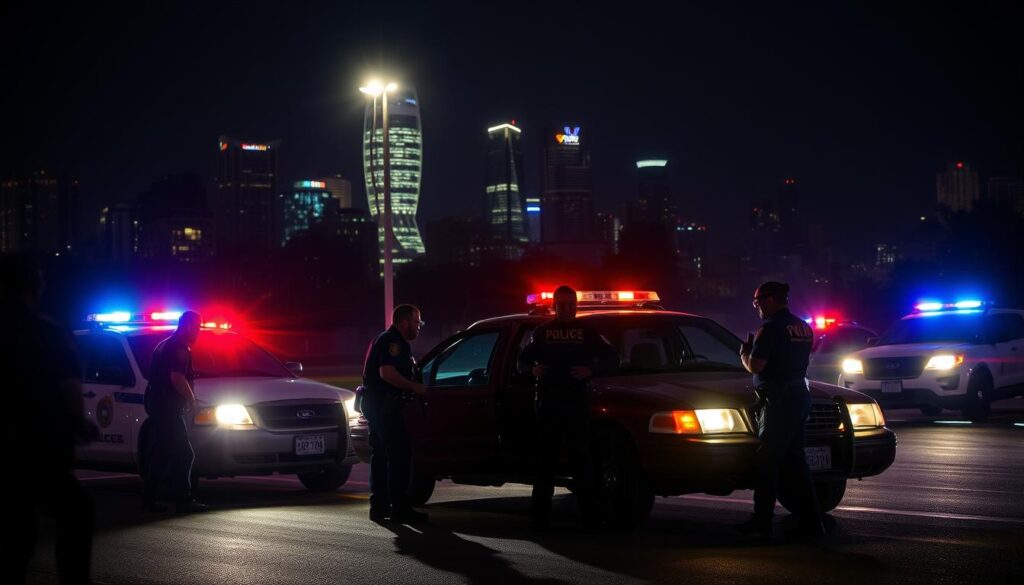
Law enforcement operation

The Sri Lankan government upped its security, focusing on places tourists like to go. Right after catching the suspects, they boosted safety. They set up a hotline for people to report anything odd. This helped keep everyone safer.

They also worked more with other countries’ spies to check on the suspects. This careful watch shows they’re serious about stopping revenge attacks. These could be because of what Israel does in the area.

Keeping people safe and peaceful is very important. After stopping this terrorist plot, Sri Lanka kept its strong security. This shows Sri Lanka’s strong stand against terrorism. They want to keep the country safe from outside dangers.

It’s important to see how these actions affect the world. It affects not just Sri Lanka, but also how countries work together and stay stable. To see more about how Sri Lanka balances safety and culture, look at this article about traditional handicrafts in Sri. It shows how they keep their culture alive while staying safe.

Event Details
Initial intelligence report Indicated a potential terrorist threat targeting Israeli tourists in Sri Lanka
Suspects’ ties Linked to international groups, notably in Iraq
Security measures implemented Security heightened in tourist regions, emergency hotline established
Objective Preempt reprisals tied to geopolitical tensions, maintain regional stability

Sri Lanka stays vigilant and keeps its security tough to prevent threats. As things change, they keep checking and updating safety. This protects everyone in the region, including visitors from other countries.

Understanding the Broader Impact of the Arrests

The recent capture of suspects threatening Israeli tourists in Arugam Bay has affected many areas. Sri Lankan police worked with global teams, highlighting the need for quick action and intelligence to keep peace and protect tourism, including places like the Jewish community center and Chabad House. These events are part of bigger, world-wide concerns over terror-linked actions.

In Europe, extremist attacks have big impacts. The attack on Moscow’s Crocus concert hall was very harmful. Now, as Europe faces events like the Paris Olympics, it reacts by increasing security efforts, learning from past events. We’re reminded how critical safe international relations are, as seen in Sri Lanka and Pakistan’s efforts to boost air travel for tourism and growth.

Sri Lanka is also focusing on education as a path to stability, with a huge budget for 2024. By spending Rs. 465 billion, they aim to improve their educational structure. This move shows Sri Lanka’s commitment against extremism and for economic strength. Through promoting education for all, Sri Lanka is fighting threats and pushing for progress. Education helps build a society that can stand against outside dangers effectively.

Sri Lanka’s Education Minister: New Reforms for 2024

Sri Lanka’s Education Minister: New Reforms for 2024

Sri Lanka’s Education Minister announced a pilot program for reforms starting in 2024. The changes will affect all grades and cover policy, curriculum, teaching methods, and student assessment.

The reforms aim to digitize the entire education system. This effort will receive support from local and foreign sponsors. The ministry plans to change exam schedules for GCE O/L and A/L.

The 2024 budget allocates Rs. 517 billion to education. The Ministry of Education will receive Rs. 237 billion. Provincial education will get Rs. 280 billion.

The increased funding will support new initiatives. These include hiring 2,535 teachers for estate schools. A special program for early childhood development is also planned.

The Ministry’s digitization efforts will involve local and foreign partnerships. About 452,000 students are expected to take the G.C.E. (O/L) exam. Of these, 388,000 will be first or second-time attendees.

Education Ministry Announces Pilot Program for New Reforms

Sri Lanka’s Education Ministry will launch a pilot program in 2024. It introduces reforms to change the nation’s learning landscape. The program focuses on classroom technology and skill-based learning for grades 1-13.

The reforms aim to digitalize the entire education system. Local and foreign sponsors support this transformative initiative. The ministry wants to improve education quality and prepare students for a digital world.

Restructuring Examinations and Accelerating University Completion

The ministry proposes changes to key examination schedules. Students will take GCE O/L in Grade 10 and GCE A/L in Grade 12. This change allows students to finish university before turning 21.

Empowering Educators and Enhancing Infrastructure

The 2024 budget allocates Rs 517 billion for education. Rs 237 billion is for national initiatives, and Rs 280 billion for provincial education development. These funds will help recruit 2,535 teachers for estate schools.

The ministry has created a special program for early childhood development. It targets children aged 3-5. This initiative aims to nurture young minds and build a strong learning foundation.

Sri Lanka is starting a transformative educational journey. The ministry wants to create a tech-savvy learning environment. These reforms aim to produce well-rounded, globally competitive individuals for a brighter future.

Increased Budget Allocation for Education in 2024

Sri Lanka’s government recognizes education’s vital role in economic recovery. The Ministry of Education received a hefty Rs. 517 billion budget for 2024. This includes Rs. 237 billion for the ministry and Rs. 280 billion for provincial education.

The government remains committed to improving education despite challenges. The World Bank’s projection of 4.4% growth for Sri Lanka highlights education’s importance. Investing in education can unlock potential and create new job opportunities.

Addressing Teacher Shortages and Student Welfare

The Ministry of Education is tackling teacher shortages and student well-being. They’ve taken several key steps to address these issues.

They’re filling 50% of 808 vacant teaching positions with Treasury approval. They’ve also approved 707 teacher education service positions.

The ministry is recruiting 5,450 personnel in science, math, English, and other subjects. They’ve finished 80% of school uniform work for the year.

Plans are in place to provide meals to all school students next year. By 2030, they aim to offer lunch to every school child.

Special Programs for Children with Special Needs and Inclusive Education

The government is committed to inclusive education initiatives. They’ve created special programs for children with special needs. These programs aim to integrate these children into classrooms with their peers.

The increased budget will support these inclusive learning programs. This ensures no child is left behind in their educational journey.

Sri Lanka’s government is building a strong foundation for future growth. Investing in education will bring long-term benefits. It will equip the next generation with skills to drive economic progress.

New Educational Reforms to Be Introduced in 2024, Says Education Minister

Sri Lanka’s Education Minister announced new reforms for 2024. These changes aim to modernize education and optimize resources. The National Education Policy Framework (NEPF) outlines these reforms.

The NEPF plans to create autonomous Provincial Boards of Education. It seeks expert help to develop necessary regulations. Funding will come from existing resources and partnerships.

Private contributions will also support these educational transformations.

Cabinet Memorandum and Circular to Be Issued Soon

A cabinet memorandum detailing the reforms will be presented soon. A circular will follow shortly after. These reforms address recent disruptions in education.

Fuel shortages, power cuts, and Covid-19 have greatly impacted schools. The new changes aim to solve these issues.

Reforms Aim to Address Challenges Faced by Education Sector

The 2022 economic crisis caused major problems in Sri Lanka’s education system. Many lecturers left the country, with 1,200 academics emigrating between 2022 and 2023.

New reforms will modernize education and increase university student stipends. They’ll also address salary gaps among educators, as promised by President Anura Kumara Dissanayake.

The reforms will improve teacher training programs. This is crucial, as Sri Lanka offers many subjects for GCE O/L and A/L exams.

Proposed Changes to G.C.E. (O/L) and G.C.E. (A/L) Examination Schedules

G.C.E. (O/L) exams may move to December. G.C.E. (A/L) exams could shift to August. Interviews have filled teaching vacancies in science, technology, and foreign languages.

Over 3,000 new teachers will start at schools by June 1st. This will help address the shortage of educators in key subjects.

Education Ministry’s Reform Initiatives to Bring Significant Advancements

Sri Lanka’s Education Ministry is making big changes. They’re improving schools, especially for kids with special needs. The ministry is also increasing Zonal Education Offices to 120.

Over 500 new language teachers have joined schools nationwide. They teach Korean, German, French, Hindi, Chinese, and Japanese. This boost helps schools offer more language choices.

The ministry plans to upgrade 19 National Colleges of Education. These will become universities. This change aims to train 7,500 new teachers each year.

The recent surge in Sri Lanka’s agriculture may help fund these changes. It could also boost the country’s economy.

These reforms are part of the National Education Strategy 2024-2030. This six-year plan aims to improve life for teachers and students. It focuses on wellbeing, growth, empowerment, equity, and inclusion.

The ministry has a strong system to check the plan’s progress. They’re committed to making education better. These changes should greatly improve Sri Lanka’s schools.

FAQ

What is the Education Ministry’s plan for implementing new educational reforms in 2024?

Minister Susil Premajayantha announced a pilot program for new educational reforms across all grades. The Ministry plans to digitize the entire education system. Local and foreign sponsors will support this initiative.

When will the GCE O/L and A/L Examinations be conducted under the new reforms?

The GCE O/L Examination will take place in Grade 10. The GCE A/L Examination will be held in Grade 12. Students are expected to finish university before turning 21.

How much has been allocated to the education sector in the 2024 budget?

The 2024 budget allocates Rs. 237 billion to the Ministry of Education. An additional Rs. 280 billion is designated for education at the provincial level. The total education budget is approximately Rs. 517 billion.

What initiatives are being taken for children with special needs?

Special programs have been created for children with special needs. An inclusive education system will integrate them into regular classrooms. Schools are improving facilities to accommodate these students.

When will the cabinet memorandum and circular outlining the reforms be issued?

The cabinet memorandum detailing the reforms will be presented soon. The accompanying circular will follow shortly after.

What challenges do the new educational reforms aim to address?

The reforms tackle issues like fuel shortages, power cuts, and Covid-19 disruptions. These problems have significantly impacted the education sector.

How many language teachers have been recruited and deployed to schools?

Over 500 language teachers have joined schools across the country. They teach Korean, German, French, Hindi, Chinese, and Japanese.

What are the plans for National Colleges of Education?

Nineteen National Colleges of Education will become universities. This change aims to boost college enrollment. The goal is to produce 7,500 qualified teachers each year.

Sri Lanka’s GDP Contracts by 7.8% in 2022; Recovery Ahead

Sri Lanka’s GDP Contracts by 7.8% in 2022; Recovery Ahead

The Sri Lankan economy shrank by 7.8% in 2022 amid an unprecedented crisis. Industry suffered the most, contracting by 16.0%. Agriculture also declined, shrinking by 4.6% that year.

Inflation skyrocketed from 5.9% in 2021 to 46.4% in 2022. This led to a 9.0% drop in private consumption. The central bank hiked policy rates by 1,050 basis points to fight inflation.

Gross capital formation fell by 24.9% in 2022. This further added to the economic downturn. However, signs of slow recovery are emerging.

The fiscal deficit decreased to 10.2% of GDP in 2022. Government spending fell from 15.6% of GDP in 2021 to 14.6% in 2022. Revenue remained steady at 8.3% of GDP.

Protecting the poor is vital during this crisis. They’ve been hit hardest by economic troubles. Recovery may take time, but targeted reforms can help.

International support, like the FAO and Norad fisheries project, is crucial. With these efforts, Sri Lanka can build a more stable future.

Key Takeaways

  • Sri Lanka’s GDP contracted by 7.8% in 2022, with industry and agriculture sectors significantly affected.
  • Inflation soared to 46.4% in 2022, leading to decreased private consumption and increased policy rates.
  • The fiscal deficit narrowed to 10.2% of GDP in 2022, and government recurrent expenditure decreased.
  • Protecting the poor and vulnerable is crucial as Sri Lanka navigates the economic crisis.
  • Gradual recovery is expected with targeted reforms and international support.

Economic Crisis and Contraction in 2022

Sri Lanka faced a severe economic crisis in 2022. The country’s GDP contracted by 7.8%. This crisis stemmed from pre-existing vulnerabilities, policy missteps, and external shocks.

Foreign currency reserves dwindled, causing scarcity of essential goods. An acute energy crisis worsened the country’s fiscal challenges. These factors left Sri Lanka ill-prepared to handle the economic storm.

Factors Contributing to the Economic Crisis

The Sri Lankan rupee depreciated by 44.8% year-on-year in 2022. Inflation rates soared to 46.4%. The country heavily relied on indirect taxes for revenue.

State-owned enterprises (SOEs) were loss-making and depended on government financing. Guaranteed SOE debt totaled 5.6% of GDP by the end of 2022.

Impact on Various Sectors and Living Standards

The crisis affected many sectors. Industry contracted by 16.0%, agriculture by 4.6%, and services by 2.0%. Construction, manufacturing, real estate, and financial services were hit hard.

The human cost was devastating. Half a million jobs were lost. Food insecurity and malnutrition increased. Poverty rates doubled and inequality widened.

Some sectors showed resilience. Smallholders in the Climate Smart Irrigated Agriculture Project saw income improve by 13%. This contrasted with a 19% drop for non-participating households.

The government is now focusing on debt restructuring and reforms. They aim to stabilize the economy and foster recovery. Support from the IMF and international partners is crucial.

The road ahead is challenging. However, resilient sectors and targeted interventions offer hope. A gradual turnaround may be possible with continued efforts.

Fiscal Challenges and Reform Measures

Sri Lanka faces major fiscal challenges amid its economic crisis. The Treasury ran a primary budget deficit of 5.7% of GDP in 2021. The government has taken steps to address these issues through reform measures.

Tax cuts from 2019 have been reversed. Partnerships focusing on precision agriculture are being developed to boost productivity. These efforts aim to promote sustainable practices in the agriculture sector, which shrank by 4.6% in 2022.

Reversal of Tax Cuts and IMF Extended Fund Facility Arrangement

The IMF’s Extended Fund Facility arrangement approval is a crucial step for Sri Lanka’s economy. This bailout package aims to help regain macroeconomic stability. The government is implementing structural reforms to enhance revenue and stabilize the economy.

These reforms include cost-reflective utility pricing and changes in trade and investment. State-owned enterprises and social protection systems are also being reformed. These measures are designed to address the country’s fiscal challenges effectively.

Debt Restructuring Efforts and Stabilization

Sri Lanka is working on debt restructuring with external creditors. In July 2023, Parliament approved a domestic debt restructuring strategy. This shows the country’s commitment to economic recovery.

These adjustments may initially impact growth, poverty, and inequality. However, they’re necessary to correct imbalances and regain access to international financial markets. The Climate-Smart Agriculture Investment aims to strengthen farming against climate change impacts.

There are signs of hope for Sri Lanka’s economic recovery. The Agriculture Sector Modernization Project generated about $141 million in new export earnings. The Climate Resilience Multi-Phase Program helped 11.5 million people across 22 districts.

Shehan Karunatilaka’s 2022 Booker Prize win for “The Seven Moons of Maali Almeida” brought international recognition to Sri Lanka. This literary success offers a glimmer of hope amid the country’s economic challenges.

Sri Lankan President Resigns Amid Mass Protests 2022

Sri Lankan President Resigns Amid Mass Protests 2022

President Gotabaya Rajapaksa decided to resign, marking a historic moment for Sri Lanka. The public’s call for change led to widespread protests. These protests brought political unrest to the country. Rajapaksa, at 73, chose to resign on July 13, 2022. He wanted to make sure power passed on peacefully. This happened during the country’s biggest government crisis in 70 years.

Sri Lanka’s political scene was shaken by months of intense protests. The protests were fueled by rising inflation, which hit 54.6 percent in June. People also faced severe shortages of food, fuel, and medicines. This led them to demand a $3 billion bailout from the International Monetary Fund (IMF). When President Rajapaksa secretly left his residence, protesters took over it. Prime Minister Ranil Wickremesinghe also announced he would resign. This was to help start a new government with multiple parties involved.

Key Takeaways

  • President Gotabaya Rajapaksa decided to resign amid a severe economic and government crisis incited by mass protests.
  • Widespread public unrest manifested through significant social movements, culminating in the occupation of the presidential residence.
  • Inflation has drastically affected Sri Lankan citizens, with rates soaring to 54.6 percent within the country.
  • An immense crowd of protesters, reflecting the nation’s demand for change, has played an integral role in the political shifts.
  • The planned resignation of President Rajapaksa and Prime Minister Wickremesinghe heralds a potential shift to a more democratic era in Sri Lanka.
  • The national crisis was marked by shortages of essential resources and an appeal to the International Monetary Fund for economic relief.
  • The announcement of leadership resignations ignited celebrations in Colombo, signaling a hopeful turn for Sri Lanka’s future.

Mass Protests Lead to Resignation of President Gotabaya Rajapaksa in 2022

In 2022, Sri Lanka faced tough times. Political and economic issues caused big protests and calls for change. People wanted leaders to answer for their actions. This led to a huge increase in protests, especially in Colombo, the capital.

The Escalation of Public Unrest in Sri Lanka

The protests in Colombo grew larger than ever before. People were really upset with the government. Bad economic decisions were to blame. By February 2022, Sri Lanka had only $2.31 billion left. This was not enough to pay off its debts. Crowds of protestors filled the streets. They wanted leaders to fix things right away.

President Gotabaya Rajapaksa’s Flight from Presidential Residence

On July 9, 2022, protestors took over the Presidential home. The police couldn’t stop the large crowds. This forced President Rajapaksa to leave with the help of the military. He resigned five days after. Leaders around the world recognized this. It was a key moment for Sri Lanka’s hope for better leadership.

Nation’s Response and Celebrations Post-Resignation Announcement

When President Rajapaksa resigned, people across the country celebrated. It was a big moment of joy and hope for everyone. They believed this would lead to a government that listens to its people. The protests put Sri Lanka in the global news. It showed the world their struggles and desire for change.

Prelude to the Political Upheaval: Sri Lanka’s Economic Crisis

Before 2022, Sri Lanka was facing a tough time. The country was dealing with a huge foreign debt crisis. This situation made life hard for its people due to a lack of fuel and food. These problems led to big political changes and calls for the government to do better.

Sri Lanka owed $51 billion to other countries. They needed to pay back $28 billion by 2027. By April, the country could not pay its loans, which was a first. This caused even bigger problems, making it hard to get important goods into the country. There was a big shortage of things people needed every day.

The country’s financial troubles made it hard to talk with the IMF about getting help. Because of this, living costs soared, making life difficult for many people. Prices went up by 54.6%, and people were worried the country would go bankrupt. This fear and frustration led to big protests at places like Galle Face Green.

Economic Indicator Status in Early 2022 Status at Mid-Year
Foreign Debt $51 billion $51 billion (Default)
Fuel Availability Limited Critical Shortages
Food Availability Sparse Severe Scarcity
Inflation Rate Elevated 54.6%

Due to these tough conditions, people all over the country protested, especially at Galle Face Green. They were not just upset about the economy. They also wanted big changes in how the country was run. The severe economic problems showed the big issues Sri Lanka faced. The people’s strong desire for change was clear and powerful.

Sri Lanka’s Struggle for Democracy and Civil Revolt

The fight for democracy in Sri Lanka has deep roots linked to the Rajapaksa family’s dominance. For about twenty years, they controlled key government roles. This control led to a widespread demand for political change and reforms from the people.

Political Dynasty: The Rajapaksa Family’s Two-Decade Reign

The Rajapaksa family had a big role in Sri Lanka’s government. They were involved in various positions, from president to finance minister. Their era was filled with issues like nationalism, corruption, and poor economic choices. These problems led to economic crises, making people want a complete change in government.

Transformation of Peaceful Protests to a National Movement

What started as peaceful protests turned into a significant national movement. Thousands marched in Sri Lanka, with major protests at places like Galle Face Green. People took over public areas, showing their frustration. This included families demanding justice for lost ones from the civil war, ongoing for over 1,900 days.

International Response to the Government Crisis

The world has taken notice of Sri Lanka’s political problems, understanding its impact on regional peace. The United States, in particular, has been outspoken. They support the peaceful protestors and are ready to help stabilize Sri Lanka politically and economically. This global concern highlights the need for quick and effective solutions.

Issue Impact Response
Ban on Chemical Fertilizers Devastated agriculture, leading to a 20% drop in rice production and an 18% decrease in tea exports Policy reversed after significant economic backlash
Economic Mismanagement Severe economic crisis leading to the first financial default in Sri Lanka’s history IMF debt restructuring program put on hold; calls for increased transparency and economic reforms
Corruption and Nepotism Heightened public distrust and indignation, fuelling mass protests Popular demands for the Rajapaksa family’s exit from politics and enhanced political accountability

Sri Lanka’s journey towards democracy is marked by strong internal efforts and global support. This movement continues to attract worldwide attention as it seeks to solve long-standing political challenges.

Aftermath and the Search for Political Stability in Sri Lanka

After mass protests, Sri Lanka faces a big challenge. Gotabaya Rajapaksa’s recent resignation has created a need for stable leadership. The country is in its worst economic crisis since becoming independent. The protests show that people want a reliable and open government.

Sri Lanka is at a critical point. It needs a strong plan for recovery. This includes getting help from the International Monetary Fund, fixing foreign debt, and getting international aid. The government must listen to its people and make governance transparent. This is key to Sri Lanka’s success. Problems like the struggling education system need fast solutions. These issues are pressing, especially after mistakes like the sudden fertilizer ban that hurt food supply.

OMP Sri Lanka believes that with smart financial policies and help from other countries, it’s possible to improve the economy. By working on issues like hyperinflation and large debts, Sri Lanka can overcome its crisis. Recent events highlight the need for wise and strong policies. The people, who have protested for change, now wait for a government that can lead them to a better and more secure future.

Sri Lanka’s Rupee Closes Stronger at 293.00/20 to the Dollar

Sri Lanka’s Rupee Closes Stronger at 293.00/20 to the Dollar

The Sri Lankan Rupee showed new strength on Wednesday. It closed at 293.00/20 against the US Dollar, up from 293.50/60. This change signals a positive shift in the currency exchange rate.

The forex market performance matches the nation’s ongoing economic recovery efforts. Bond yields stayed steady amid the Rupee appreciation. A bond due 15.12.2026 closed at 10.60/80 percent.

Another bond maturing on 15.12.2027 closed at 11.45/60 percent. This stability in bonds highlights the improving health of the Sri Lankan economy.

Sri Lanka's Rupee Closes Stronger at 293.00/20 to the Dollar

The Rupee’s rise matches a drop in the central bank’s bill stock. As the exchange rate grows, importers may benefit from better rates. This could boost trade and business in the nation.

The Rupee’s growth and steady bond yields paint a good picture. They show Sri Lanka’s economic prospects are improving. The currency’s strength proves that financial measures are working.

Recent Rupee Performance Against the US Dollar

The Sri Lankan rupee is getting stronger against the US dollar. On Thursday, it was 292.80/85 against the dollar, up from 293.00/20 the day before. This shows more trust in the local currency.

Rupee Strengthens to 292.80/85 on Thursday

On Thursday, the rupee opened at 293.05/15 to the dollar. This was the same as Wednesday’s closing rate. The stable exchange rate helps businesses and investors.

The rupee’s rise to 292.80/85 during the day boosted confidence in the local currency. This stability is good for economic growth and investor trust.

Rupee Remains Stable at 293.05/15

The rupee’s steady performance is important to note. Its unchanged opening rate shows consistency. This stability helps maintain investor confidence and supports economic growth.

The dollar’s selling rate fell below Rs. 300 for the first time since June 8, 2023. It reached Rs. 299.35, with a buying rate of Rs. 290.30.

The rupee’s strength against the dollar is good news. It improves Sri Lanka’s economic outlook and ability to attract foreign investment.

Bond Yield Trends in Sri Lanka

Sri Lanka’s bond market shows interesting trends lately. Bond yields remain steady despite the rupee’s rise against the US dollar. Analysts are watching bonds closely to assess the economy and investment chances.

Bond Yields Remain Steady Amid Rupee Appreciation

On October 30, 2024, the January 15, 2027 bond was quoted at 10.79/83 percent. The March 15, 2028 bond recorded yields of 11.70/75. These numbers show a stable bond market as the rupee strengthens.

The rupee’s rise is due to increased foreign investment and a better economic outlook. This stability is noteworthy given the currency’s recent performance.

Treasury Bond Auction Impacts on Yields

The upcoming Treasury Bond auction will likely affect bond yields soon. The central bank plans to issue 95 billion rupees worth of bonds. This auction will reveal demand for government securities and market liquidity.

The auction’s outcome may influence the yield curve. This curve shows the link between bond yields and their maturities. It’s a key indicator for investors.

Investors and analysts will watch bond yields, auctions, and the rupee’s performance closely. Understanding these trends helps market participants make smart decisions. It allows them to navigate Sri Lanka’s bond market with more confidence.