Browsed by
Author:

Sri Lanka Achieves Record Paddy Harvest in 2024 Yala Season

Sri Lanka Achieves Record Paddy Harvest in 2024 Yala Season

Sri Lanka has set a new record for paddy harvest in the 2024 Yala season. The Department of Agriculture reports a total production of 4.5 million metric tons. This exceeds the annual rice need of 2.4 million metric tons, boosting the country’s food security.

Farmers’ hard work and new farming methods led to this success. The agriculture sector has been using modern tech and best practices. These efforts have helped increase crop production significantly.

Sri Lanka is known for its high rice yield in South Asia. The country produces about 3,885 kg/ha annually. Two main growing seasons, Yala and Maha, ensure a steady rice supply.

Government support has been key to this record harvest. About 10% of Sri Lanka’s land is used for paddy fields. This shows how important rice is for the country’s economy and food supply.

Record-Breaking Paddy Production in 2024 Yala Season

Sri Lanka’s 2024 Yala season saw a record-breaking paddy harvest. The country produced nearly 3 million metric tons of rice. This marks a significant boost in domestic rice production.

The government’s support measures led to this impressive yield. Fertilizer subsidies and new agricultural technologies boosted crop productivity. These efforts ensure food security for the nation.

The focus on sustainable practices also played a key role. Farmers adopted methods that improved both quantity and quality of rice.

Metric Tons of Paddy Harvest Recorded

The 2024 Yala season produced 2.6 metric tons of paddy. This contributed to 4.5 million metric tons of total rice production. Sri Lanka now meets its annual rice requirement of 2.4 million metric tons.

The surplus production makes the country self-sufficient in rice. This achievement opens doors for potential rice exports in the future.

Department of Agriculture Confirms Highest Yield

Officials confirmed the highest yield in the 2024 Yala season. The average yield per hectare increased significantly. This success is due to high-yielding rice varieties and efficient fertilizer use.

Farmers applied potassium (K) at the panicle stage. This strategy boosted grain yield and enhanced rice quality.

The record harvest shows Sri Lanka’s progress in food security. It also promotes rural development and contributes to economic growth. The success stems from government initiatives and farmers’ hard work.

Government Initiatives to Support Agricultural Sector

Sri Lanka’s government has taken steps to boost farming and ensure food security. These measures provide financial aid, subsidies, and resources to farmers. The goal is to increase productivity and improve farmers’ lives.

The government allocated 200 million rupees to buy milk powder from Milco (Pvt) Ltd. This supports the dairy industry and maintains a stable milk powder supply. They’ve also arranged for 55,000 metric tons of MOP fertilizer.

This fertilizer will be given to farmers for free. It ensures they have essential nutrients for their crops.

Fertilizer Subsidy Increased to 25,000 Rupees from 2024 Maha Season

The government raised the fertilizer subsidy for paddy farming to 25,000 rupees per hectare. This increase starts from the 2024 Maha season. It helps farmers afford inputs to maintain soil fertility.

The subsidy boost aims to improve crop yields. Farmers can now better manage their production costs.

Rs.4000 Fertilizer Subsidy Provided for Rubber Cultivation

Rubber farming is crucial to Sri Lanka’s economy. The government now offers a Rs.4000 fertilizer subsidy for rubber cultivation. This support encourages growth in this valuable crop.

The subsidy helps rubber farmers maintain healthy, productive plantations. It contributes to the overall success of the agricultural sector.

Ensuring Food Security and Sustainability

Sri Lanka’s record-breaking paddy harvest in 2024 Yala season boosts food security. The surplus rice production meets domestic demand, reducing import reliance. The government modernizes agriculture with new technologies and farming practices.

Surplus Rice Production Leads to Self-Sufficiency

The bumper paddy harvest ensures Sri Lanka’s self-sufficiency in rice. The dry zone contributes 70% of national paddy cultivation. The government aims to increase yield to 9 metric tons per hectare.

New Agricultural Technologies to Boost Yield per Hectare

The government invests in agricultural modernization to double paddy yield. New technologies like precision farming and remote sensing optimize resource use. These advancements help farmers increase yield while reducing environmental impact.

Green Gram Cultivation Program Launched to Meet Domestic Demand

The government started a green gram program for crop diversification. It aims to meet 75% of annual domestic demand. Farmers get free seeds, and import taxes protect local producers.

This initiative supports farmers and reduces import dependence. It further strengthens the country’s food security efforts.

Positive Impacts on Food Security and Economic Growth

Sri Lanka’s 2024 Yala season saw a record-breaking paddy harvest. This success has boosted food security and economic growth. The surplus rice production has reduced imports and conserved foreign exchange reserves.

This achievement is significant given the region’s food challenges. Nearly 371 million people in Asia-Pacific are undernourished. 45% of the population can’t afford a healthy diet.

The government has improved agricultural productivity through various initiatives. These include increased fertilizer subsidies and investment in new technologies. Crop diversification efforts have also contributed to the sector’s economic recovery.

The green gram cultivation program aims to meet domestic demand. It shows Sri Lanka’s commitment to sustainable farming and reducing import dependence. These efforts benefit rural communities by creating jobs and enhancing livelihoods.

Sri Lanka’s success serves as a model for other nations facing similar challenges. The country has prioritized food security and invested in climate-resilient farming techniques. It has also empowered smallholder farmers to build a more sustainable future.

By strengthening its agricultural sector, Sri Lanka is well-positioned for future growth. It can play a leading role in addressing regional food security issues. This contributes to achieving Sustainable Development Goal 2 of ending hunger and malnutrition.

Central Bank Raises Interest Rates Against Inflation

Central Bank Raises Interest Rates Against Inflation

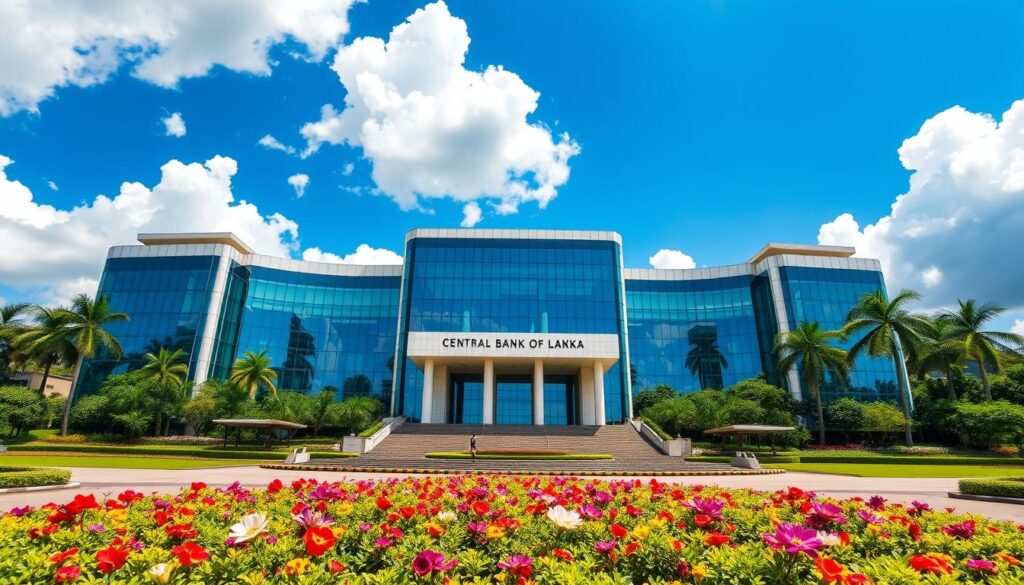
In a bold move to protect Economic Stability, the Central Bank of Sri Lanka has raised Interest Rates. This aims to tackle the high inflation. Historically, taking such firm actions helps stabilize finances. This mirrors strategies used globally during times of high inflation.

Central Bank Raises Interest Rates to Combat Soaring Inflation

The Central Bank increased rates by 4.5 percentage points by July 2022. This was in response to a high inflation rate of 10.6% in October. It also raised the Standing Deposit Facility Rate (SDFR) and the Standing Lending Facility Rate. This helps control excess money and inflation in the economy.

Inflation dropped to 5.2% by September 2023. This positive trend offers hope for reaching a 2% inflation target. A recent interest rate cut by 0.25 percentage points makes loans more accessible. It supports both individuals and businesses financially.

OMP Sri Lanka tracks critical central banking actions. This includes reports on reduced private sector credit and tighter credit to state-owned businesses. The Bank’s actions show a commitment to monitoring inflation. They aim for economic recovery, aligning with the International Monetary Fund’s guidelines, as seen on their website.

Understanding the Central Bank’s Role in Economic Stability

The Central Bank’s Role is crucial in making sure the economy stays stable. It uses Monetary Policy to keep inflation in check. This helps maintain Price Stability and supports Sustainable Growth. The main aim is to smooth out economic ups and downs. This creates a good setting for investment and building wealth.

Central Bank's Role in Economic Stability

Using Monetary Policy is key in this effort. Central banks adjust interest rates and control the supply of money. This helps manage inflation and economic activities. By doing this, they keep prices steady, avoiding the trouble caused by inflation or deflation.

The Mandate of the Central Bank in Managing Monetary Policy

The central bank has a big job of keeping the country’s money stable. This is true in many places, like in Sri Lanka. It changes policy rates to influence the economy. The goal is to balance growth and inflation well, avoiding extremes.

Historical Instances of the Central Bank Controlling Inflation

Central banks have stopped hyperinflation before. For example, Germany in the 1920s and Zimbabwe in the 2000s. They used Monetary Policy to lower inflation to safer levels. This shows how central banks play a big role in Economic Stability.

Price Stability and Its Importance for Sustainable Growth

Stable prices are the foundation of Sustainable Growth. They let businesses plan and people make smart choices. Knowing what to expect with inflation helps. It makes investing appealing and helps with economic planning.

Looking at recent times in Sri Lanka, inflation dropped from 70% to a stable rate. This was thanks to careful monetary policy. It’s a great example of how central banks help keep the economy stable.

In summary, the central bank’s role in shaping policies for stability and growth cannot be underestimated. Their influence stretches across the economic scene. Knowing and supporting their strategies is vital for a successful economy.

Implications of Rising Interest Rates on the Economy

Various central banks around the world have raised interest rates. They aim to fight the high inflation that adds pressure on economies and budgets. These changes deeply affect economic growth. They change how businesses and customers behave with borrowing, spending, and investment.

Effects on Borrowing, Spending, and Investment Decisions

It’s important to see how rising interest rates change the economy. For instance, when rates go up, borrowing costs do too. This fact makes people and businesses think twice before getting loans for big buys or expansions. As a result, there’s less spending by buyers and fewer investments by companies, which slows down economic growth.

The Relationship Between Interest Rate Hikes and Asset Prices

When interest rates go up, the value of assets like houses and stocks often drops. This happens because safer investments, like government bonds, look better in comparison. They offer higher returns without as much risk. So, investors move their money, and this can make the market less liquid and more volatile.

Financial News: Navigating the Economic Impact of Monetary Tightening

The monetary tightening efforts of central banks are meant to lower inflation and stabilize the economy. But, it takes time to see the results of these policies. This means investors need to be careful and watch for any policy changes or market reactions. Central banks play a crucial role in this effort. They focus on the big financial goals of countries looking to recover economically and advance educationally, as shown in this example.

From Monetary Theory to Practical Measures

The world of global economics changes all the time, with Central Bank Policy at its heart. These banks use advanced Monetary Theory to shape the economy. They aim to manage issues like inflation, especially after the pandemic.

Before the pandemic, interest rates were very low, even negative in some cases. Central Bank balance sheets grew hugely to boost economies. This was a response to the big economic downturn known as the Great Financial Crisis (GFC). Buying lots of assets was a new key strategy.

After the pandemic, central banks started to tighten their policies quickly. They raised policy rates and reduced money supply, facing severe inflation. For many places, inflation rates went into the double digits. This prompted these strong actions from the central banks.

Even though big economies faced tough times, Emerging Market Economies (EMEs) avoided major crises. Still, they had to deal with unpredictable money flows and currency values. This was because of the immense monetary easing in major economies after the GFC.

In Sri Lanka, these global trends have their own effects, creating unique challenges. The country’s education system suffered, with a big shortage of paper leading to canceled student. This shows how wide-ranging the impact of poor inflation control can be.

In 2011, East African countries experienced similar economic issues. They saw high inflation rates that often matched global commodity price changes. This shows how important it is for central banks to manage inflation carefully. It’s vital for economic growth and stability in places like Sri Lanka.

Sri Lanka’s Digital Economy Strategy Aims for $3 Billion by 2024

Sri Lanka’s Digital Economy Strategy Aims for $3 Billion by 2024

Sri Lanka plans to grow its digital economy to $3 billion by 2024. This goal represents 4.37% of the country’s GDP. The government is expanding tech exports, e-commerce, and IT-BPM services to reach this target.

Strategic investments in digital infrastructure and IT skills are vital. These investments aim to create a thriving environment for startups and digital businesses.

Sri Lanka's Digital Economy Strategy Aims for $3 Billion by 2024

The ICT Agency of Sri Lanka leads efforts to create a digitally inclusive nation. They focus on digital policy and cyber laws. The agency’s digital government transformation aims to boost efficiency and connectivity of state entities.

The National Data and Identity Interoperability Platform (NDIIP) enhances information sharing among government organizations. Two state-of-the-art Techno Parks are being built to attract foreign investment and create jobs.

Sri Lanka plans to increase its ICT/BPM workforce from 125,000 to 300,000 by 2024. Over 60% of Sri Lankans own mobile phones, with half being smartphones. This provides a strong base for digital services and e-commerce growth.

Key Takeaways

  • Sri Lanka aims to grow its digital economy to $3 billion by 2024, representing 4.37% of GDP
  • The government is investing in digital infrastructure and IT skills development to support tech exports, e-commerce, and IT-BPM services
  • The ICT Agency is working to establish a digitally inclusive Sri Lanka through digital policy, cyber laws, and digital government transformation
  • Two state-of-the-art Techno Parks are under construction to attract Foreign Direct Investment and create job opportunities
  • Sri Lanka aims to increase its ICT/BPM workforce from 125,000 in 2018 to 300,000 by 2024

Sri Lanka’s Vision for a Digital Economy by 2030

Sri Lanka aims to create a thriving digital economy by 2030. The Sri Lanka Vision 2030 focuses on using digital tech for innovation and global competitiveness. It ensures a human-centered approach to digital change.

Sri Lanka digital transformation roadmap

The strategy prioritizes equal chances for all citizens in the digital economy. It promotes new tech and solutions for societal issues. The plan also aligns digital growth with environmental goals.

Core Principles Guiding Sri Lanka’s Digital Transformation

  • Inclusivity and equal opportunities for all
  • Innovation in technologies, business models, and digital solutions
  • Sustainability and alignment with environmental goals
  • Global outlook and competitiveness
  • Human-centric approach prioritizing citizen needs
  • Rights-based framework protecting privacy and digital rights

Critical Enablers for Achieving Digital Economy Goals

Sri Lanka has identified key factors to reach its digital goals. These include creating laws that boost innovation and protect consumer rights. Secure digital IDs are vital for trusted online transactions.

Clear data rules will ensure responsible data use. These enablers aim to foster a thriving digital economy for all.

Enabler Description
Legal and Regulatory Framework Establish laws and regulations that promote innovation and protect digital rights
Digital Identity Systems Implement secure and trusted digital identity solutions for online transactions and services
Data Governance Develop transparent frameworks for responsible data collection, sharing, and use

Team efforts, public input, and private investments will drive digital change. These factors will help create a vibrant digital economy. The goal is to benefit all parts of society.

Key Strategic Areas for Action in Sri Lanka’s Digital Economy Strategy

Sri Lanka aims to boost its digital economy to $3 billion by 2024. The strategy focuses on six key areas for growth and transformation. These include enhancing digital infrastructure, developing skills, and improving e-government services.

The plan also strengthens cybersecurity, expands digital financial services, and supports MSMEs’ digitalization. These areas are crucial for driving Sri Lanka’s digital progress.

Infrastructure, Connectivity, and Access Initiatives

Sri Lanka prioritizes improving digital connectivity and access. The government plans to invest in next-generation networks and high-speed broadband. These efforts aim to maintain digital leadership and bridge the digital divide.

Initiatives are underway to expand broadband coverage, especially in rural areas. This ensures everyone can access digital services equally.

Skills Development, Digital Literacy, and Job Creation

Building a digitally skilled workforce is vital for innovation and growth. Sri Lanka focuses on developing IT skills and promoting digital literacy. The country also aims to create job opportunities in the digital sector.

Targeted training programs address the need for advanced AI engineering skills. Partnerships with educational institutions help develop strategic expertise. Visit Sri Lanka’s Tourism Industry Sees Resurgence Ahead of for more insights on economic growth.

E-Government Services and Digital Governance

Sri Lanka aims to enhance e-government services and digital governance. The government plans to digitize public services, improve efficiency, and increase transparency. A robust AI governance structure is being established.

This structure focuses on safety, transparency, and ethical guidelines. It ensures responsible AI development and deployment.

Cybersecurity, Data Protection, and Privacy Measures

Strengthening cybersecurity and ensuring data protection are crucial for Sri Lanka’s digital strategy. The government is investing in cybersecurity infrastructure and implementing data protection regulations. Promoting awareness about online safety is also a priority.

Building trust in digital systems is essential. It encourages adoption and fosters a secure digital environment.

Expansion of Digital Financial Services

Sri Lanka aims to expand digital financial services. The goal is to increase access to digital payments, mobile banking, and other financial technologies. This promotes financial inclusion and reduces reliance on cash transactions.

Initiatives encourage MSMEs to adopt digital financial services. This supports their growth and competitiveness in the market.

Sector-Specific Digitalization and Support for MSMEs

Sri Lanka’s strategy recognizes the importance of sector-specific digitalization. It supports MSMEs in their digital transformation journey. The government provides incentives for MSMEs to adopt digital technologies.

Initiatives promote the startup ecosystem and foster innovation. This encourages entrepreneurship in the digital space. These efforts drive economic growth and create new job opportunities.

Challenges and Opportunities in Implementing Sri Lanka’s Digital Economy Strategy

Sri Lanka aims to build a $15 billion digital economy by 2030. The government plans to spend Rs. 3 billion on digital efforts in 2024. This is 1.4% of total expenditures.

Key challenges include ensuring fair access and implementing regulatory reforms. Attracting investments is also crucial. However, the strategy offers chances for public-private partnerships.

These partnerships can help bridge the digital divide and improve infrastructure. They can also develop digital skills among workers.

Sri Lanka could become a regional digital hub. Its location, growing digital infrastructure, and skilled workforce are attractive to international companies.

Budget Allocation Amount (Rs.) Purpose
National Single Window 200 million Facilitating trade-related regulatory documentation
Vocational Education and Training 450 million Training through Provincial Councils
Job-Seeking Graduates Program 750 million Training program for job-seeking graduates

The strategy can lead to inclusive economic growth. It promotes digital literacy and supports small businesses. This creates new jobs and empowers marginalized communities to join the digital economy.

Conclusion

Sri Lanka’s Digital Economy Strategy outlines a bold plan for the country’s digital future. It aims to boost economic growth and global competitiveness. The strategy sets clear goals for 2024, including $3 billion in annual foreign exchange revenue.

The plan also targets building a workforce of 300,000 ICT professionals. This includes 150,000 skilled individuals ready for the digital economy. These goals show Sri Lanka’s commitment to progress despite recent global ranking challenges.

Sri Lanka plans to set up five regional tech and education hubs. It aims to help tech companies and startups grow. The country also wants 75% of its citizens to be digitally literate.

The strategy focuses on key areas guided by core principles. It aims to use digital tech for inclusive and sustainable growth. Success will boost the economy and improve lives in the digital age.

Severe Fuel Shortages Disrupt Sri Lanka Transit

Severe Fuel Shortages Disrupt Sri Lanka Transit

Sri Lanka is densely populated, with 346 people per square kilometer. It now faces a severe fuel crisis that disrupts transportation. This crisis has been caused by a significant lack of foreign exchange. The situation has grown so severe that the country has declared bankruptcy. This was announced during negotiations with the IMF as they seek solutions.

Severe Fuel Shortages Cause Nationwide Transportation Disruptions

The fuel shortage has brought about more than financial troubles. It has made Sri Lanka’s transit issues due to fuel shortages very real for its people. With reduced industrial activity and power outages up to thirteen hours, the country’s reliance on road transport is challenged. Around 93% of passenger and 97% of freight traffic depends on this. The GDP per capita, once at $4,065 in 2017, now suffers greatly.

The Western Province, which adds 39% to the national GDP, is feeling the crunch. It’s suffering from fuel scarcity, and the impact on logistics throughout the country is massive. This is a new low for the economy.

Transport and logistics are under more pressure than ever. This is reflected by the cancellation of school exams due to paper shortages. This situation highlights how deeply the crisis affects Sri Lankan life. As long fuel queues become a daily sight and transport remains unstable, finding a way out of this crisis looks hard.

Overview of Sri Lanka’s Energy Crisis and Its Rippling Effects

Sri Lanka is facing big problems due to not having enough fuel and money from other countries. This is making life hard for everyone there, from businesses to regular people. We’ll look into why this is happening, how people are reacting, and how other countries are trying to help.

The Root Causes: Foreign Exchange Woes and Economic Turmoil

Sri Lanka can’t buy important things like fuel because it doesn’t have enough foreign money. Bad decisions and global issues like the pandemic have made things worse. By February 2022, Sri Lanka had only $2.31 billion left, which was not enough to pay back its $4 billion in debts. Also, a bad decision to stop using certain fertilizers made them lose a lot of money from tea and rice.

Public Response: Protests and Government Measures Amidst Escalating Tensions

The lack of fuel has caused a lot of problems for people getting around and living their daily lives. This led to many protests that got pretty serious, with 10 people dying and many more getting hurt. The government tried to control things with emergency laws and curfews, but people are still very upset. Things got even worse when there was no electricity for up to 13 hours a day.

International Aid Efforts: IMF Negotiations and Legal Debt Restructuring

The Sri Lankan government is asking for help from other countries and big organizations. They’ve been talking to the International Monetary Fund (IMF) and might get a big loan if they agree to fix some of their debt problems. This help is really important for the country to get through this tough time.

Year Foreign Debt (% of GDP) Foreign Reserves (USD Billion)
2019 42.6% N/A
2021 101% N/A
2022 Details pending 2.31

This detailed look at the crisis shows just how big and complicated the problem is. It’s clear that Sri Lanka needs a good plan and help from other countries to get back on track. This situation highlights how important it is to work together globally to solve big problems.

Impact of fuel scarcity on transportation networks

Severe Fuel Shortages Cause Nationwide Transportation Disruptions

The consequences of fuel shortages on transportation networks have hit Sri Lanka hard. A severe shortage has caused major transportation disruptions. This has almost stopped different types of transport, greatly affecting daily life and the economy.

People living in Sri Lanka share how tough things have become. For example, school bus drivers, office workers, and small business owners are struggling a lot. With little fuel available, school kids can’t get to class, causing a big drop in attendance.

This shows how bad education systems suffer during fuel shortages.

Public transport has taken a big hit. With fewer buses on the road, many people can’t get where they need to go. The lack of fuel doesn’t just stop people from moving around. It also makes moving goods much more expensive, hurting businesses.

In Colombo and other cities, people and bus drivers spend hours in line for just a little bit of fuel. The little fuel available is given out sparingly because there’s not much left.

These problems lead to higher prices for almost everything, making life even harder for everyone. The fuel shortage is making economic and social problems worse. It shows we need to find lasting solutions fast.

When we look at the consequences of fuel shortages on transportation networks, the answer is clear. We must find and use different energy sources to avoid these problems in the future. It’s important to make our transport systems stronger against crises. This will help keep both the economy and society in places like Sri Lanka stable.

Impact of Fuel Scarcity on Sri Lanka’s Transportation and Logistics Sector

Sri Lanka faces a huge problem due to its economic crisis and severe fuel shortages. These shortages are causing big issues for transportation and logistics. This includes trouble at Colombo Port, which is crucial for trade and supplies. Without enough trucks, moving goods becomes tough, hurting the maritime sector.

This problem affects not just current operations but also future investments. This is bad news for both local businesses and international partners. They rely on this sector for smooth operations.

There’s a growing demand for better management of the energy sector. A report from 2020 by the National Audit Office had already highlighted issues. It talked about the weak fuel storage systems in Sri Lanka. With today’s crisis, those concerns are proven right.

As discussions continue, the idea of freeing up the fuel market has come up. A special body could oversee the fuel distribution system. This might prevent the severe fuel shortage from causing more issues in transportation.

Sri Lanka needs new plans, especially for the Trincomalee tank complex. Using it better could help fix transportation and logistics issues caused by the economic situation. Sadly, this crisis means many people need help and services like health and education are disrupted.

OMP Sri Lanka aims to shed light on these important matters. Our detailed review of the economic crisis is available here. It helps understand the tough situation Sri Lanka is in.

Sri Lanka’s Economic Crisis Fuels Poverty & Malnutrition

Sri Lanka’s Economic Crisis Fuels Poverty & Malnutrition

The economic crisis in Sri Lanka has led to severe problems. It has caused more people to fall into poverty and struggle with not having enough food. Now, 25.6% of its people are facing hard times, which means over 2.5 million are living below the poverty line.

The country’s economy has gone down by -7.2% in 2022. This shows how big the financial problems are. With a new global poverty line set at $2.15 per day, more than 700 million people worldwide are very poor. Sri Lanka is part of this group, and its economic problems are making things worse. This situation also means more kids are not getting the nutrients they need, which is a big concern.

In these tough times, OMP Sri Lanka is working hard to keep everyone informed. They share the latest news and important updates. They aim to help everyone understand what’s going on and stay safe. OMP Sri Lanka is committed to helping the nation find a way to get better and find hope again.

Understanding the Link Between Economic Crisis and Poverty in Sri Lanka

The economic downturn in Sri Lanka has led to a major poverty surge and more socioeconomic instability. The education sector shows the crisis clearly. There, schools had to cancel exams because there’s no paper. This affected over 4.3 million students.

The numbers show how serious it is. In August 2024, the poverty line hit Rs. 16,152, up from Rs. 6,966 in 2019. The cost of living has skyrocketed. Now, about 74 percent of families can’t afford daily needs. This was the case in the second half of 2022. It shows the deep financial turmoil in the country.

In 2023, 25.9 percent of people were below the poverty line. This didn’t just happen. It’s due to bad economic policies and worldwide economic pressures. Moreover, food insecurity grew. By August and September 2023, 24 percent of families didn’t have secure food access. Over 10,000 young kids are dealing with severe malnutrition.

This financial instability won’t only affect us now. It will also harm Sri Lanka’s future. If we don’t act, the hardship and poverty will get worse. We need to find solutions fast to fix our economic and social issues.

Economic Crisis Leads to Increased Poverty and Malnutrition in Sri Lanka

Sri Lanka is experiencing its worst economic downturn since becoming independent. This crisis shows a clear link between economic struggles and societal problems. It has led to more extreme poverty, increased malnutrition, and food insecurity. These issues are urgent and need quick action.

Spike in Extreme Poverty Amidst Economic Downturn

The economic downturn in Sri Lanka has greatly increased poverty. The poverty rate jumped to 25.9% by 2023. This is a big increase from before. In cities, the poverty rate has tripled, hitting millions hard.

About four million Sri Lankans now live below the poverty line. This change is due to job losses and less income, especially in industries and services.

Rising Food Insecurity and Malnutrition Epidemic

With the financial crisis, more people can’t secure enough food. Over 60% of families in Sri Lanka have to cut back on food quality and quantity. Now, 6.3 million people are facing food insecurity.

Nearly one-third of kids under five are malnourished. 26.8% of school kids have become more wasted in just a year. Food inflation is nearly 94 percent, making malnutrition worse.

Socioeconomic Instability Worsens Humanitarian Crisis

The economic mess in Sri Lanka is making the humanitarian crisis worse. It’s deepening poverty and making it harder to get food and other basics. In response, the government is trying to help.

They’re changing cash transfer programs and updating social systems. These steps aim to help people now and make the country more resilient. They focus on including everyone, especially promoting gender equality and empowering women.

Indicator 2019 2022 2023
Poverty Rate (%) 13 25 25.9
Children Under 5 Malnourished (%) 7.4 9.2
Households Unable to Afford Food (%) 74
Food Inflation Rate (%) 94
Urban Poverty (%) 5 15
Job Losses (in millions) 0.5

Assessing the Human Impact of Sri Lanka’s Recession

The ripple effect of Sri Lanka’s recession goes beyond numbers. It touches the lives of its people every day. The lack of essentials and rising prices have hit hard. The World Bank reports a jump in poverty to 25% in 2022.

This number includes urban areas where poverty tripled to 15%. Thus, showing a big increase in economic hardship. With soaring poverty lines and food inflation over 90%, many can’t afford basic needs.

Shortage of Essentials and Accelerating Inflation Rates

The crisis has led to serious poverty and malnutrition. UNICEF’s 2023 report says about 2.8 million children and women need urgent food help. With living costs so high, many eat less protein, harming health and growth. The fuel crisis makes it worse, causing job losses and deep societal impacts.

Societal Consequences of an Economic Collapse

People are trying to cope with the tough times. Groups like People in Need and Habitat for Humanity help with cash. This helps families a bit in Sri Lanka’s central areas. But, the path to economic recovery is still long. Changing to organic fertilisers and seeing farm outputs drop has made things harder, showing the need for major changes.

Policy Decisions and Their Role in the Financial Turmoil

Bad policy decisions have added to Sri Lanka’s troubles. Experts and global finance groups say changes and new policies are needed for a recovery. The UN OCHA highlights the immediate crisis needs and the importance of stable, long-term plans. The government’s work with the IMF Extended Fund Facility is a start. Yet, to truly fix the economy, deeper changes are essential.