Browsed by
Author:

Sri Lankan Authorities Detain Hindu Worshippers

Sri Lankan Authorities Detain Hindu Worshippers

A recent event has caused a lot of talk. Sri Lankan Authorities Detain Hindu Worshippers, bringing up big worries about religious freedom violations and how minority groups are treated. This shows the big issues with Sri Lanka human rights.

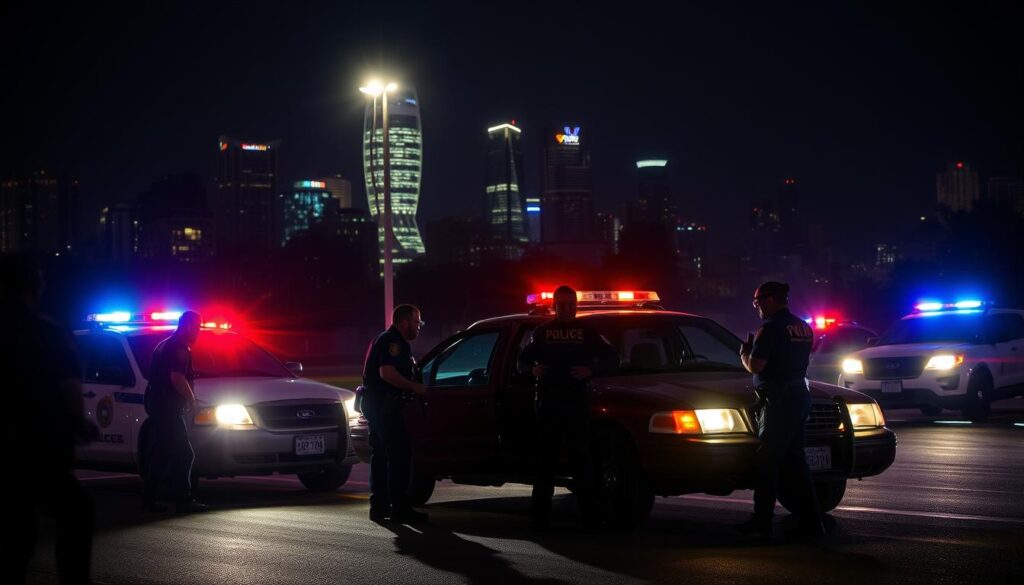
During a festival, eight Tamil Hindu worshippers were arrested at the Veddukkunari temple near Vavuniya. They were taken while doing their rituals and kept for a long time. This event highlights the problems minorities in Sri Lanka face.

The arrests made people question the authorities’ actions, as there was earlier approval for the festival. Even though there were concerns about ritual fires causing damage, the court later freed the worshippers. This made people wonder if the arrests were right.

Amid these issues, it’s important to remember that Sri Lanka is also dealing with a big economic crisis. This makes the situation even harder for the country.

Sri Lankan Authorities Detain Hindu Worshippers

Key Takeaways

  • Authorities’ detention of Hindu worshippers raises concerns over religious freedom in Sri Lanka.
  • The incident at Veddukkunari temple reflects broader issues of minority rights.
  • Legal precedents for religious festivals clash with governmental actions.
  • The role of nationalist groups and government agencies in minority oppression is under scrutiny.
  • Sri Lanka’s economic struggles may compound its human rights challenges.
  • International awareness and dialogue are crucial for remedying religious freedom violations in Sri Lanka.

Violation of Religious Freedom in Sri Lanka: Hindu Worshippers’ Rights Breached

In Sri Lanka, the right to practice religion freely is under threat. This is especially true for the Tamil Hindu community. They face many challenges due to disputes over religious sites. The Department of Archaeology and the Tamil community often clash. This is over claims of Buddhist temples being built on Tamil lands.

Recent data from 2023 shows a worrying trend in the north and east of the island. The Department of Archaeology, with help from the Ministry of Defense, has tried to build Buddhist temples on lands owned or used by Tamil Hindus 37 times. This has sparked religious tension and added to the conflict between different cultural and religious groups.

This issue is raising alarms among human rights groups, both locally and worldwide. They call for balance and respect for the rights of the Tamil minority. Such disputes show a problematic pattern that could lead to deeper divisions in society if not handled properly.

The situation could impact the 12.6% of Sri Lanka’s population that follows Hinduism. The nation’s constitution also recognizes Buddhism, Islam, and Christianity. But, it places Buddhism in a special position. This often leads to favoritism in public policy and affects the Tamil Hindus’ religious and cultural lives.

Given these complex issues, it’s critical for Sri Lanka to uphold human rights and religious freedom. Fair treatment of all religious groups is a must. Laws must be strengthened and applied fairly to foster peace among Sri Lanka’s diverse religious communities.

By recognizing these challenges and striving for legal and social changes, Sri Lanka can hope for harmony. It’s essential for respecting all religious traditions equally. This is key for Sri Lanka’s advancement in the global human rights arena.

Sri Lankan Authorities Detain Hindu Worshippers During Veddukkunaari Temple Rituals

Sri Lanka is at a crossroad, balancing religious freedoms and human rights. The nation, rich in culture and religion, faces issues. Recent events at the Veddukkunaari temple have raised concerns. Hindu worshippers were detained, affecting Tamil minority rights. This action underscores ongoing religious freedom violations.

Contextual Background of the Veddukkunaari Temple Controversy

The Veddukkunaari Temple is important to Hindu Tamils. Sinhala Buddhist monks claimed the site, with government support. This has caused tension and raised human rights issues. The Hindu religious practices there are historic. The conflict has led to legal consequences for the local community.

Legal Developments and Court Rulings for Detained Worshippers

Hindu worshippers were mistreated after their detainment. There was a public outcry and legal intervention. Courts ruled in favor of releasing the detainees. These incidents highlight the importance of religious freedom and minority rights in Sri Lanka.

The Role of Nationalist Buddhist Monks and Government Agencies

Nationalist Buddhist monks and the military attended a temple event. Their presence raised concerns over freedom and community division. These monks and agencies have taken actions that limit religious practices.

Tamil Hindu Minority: Targeted Traditions and Religious Practices

The Tamil Hindu Minority faces challenges. Their religious spaces and rituals are targeted. This leads to religious conflict and human rights issues. A respectful solution for all religious identities is needed in Sri Lanka.

OMP Sri Lanka keeps the world informed about these issues. They provide updates on religious freedom and human rights in the country. It’s important for the public to stay informed.

Three Arrested Over Alleged Plot Targeting Israeli Tourists

Three Arrested Over Alleged Plot Targeting Israeli Tourists

Sri Lankan authorities recently caught suspects tied to a plot. This plot threatened the safety of Israeli tourists. It was uncovered in intelligence reports that there was a plan to target Israeli-driven spots. Especially in Arugam Bay, a favorite among Israeli visitors affected by the Maldives’ ban in support of Gaza.

Three Arrested Over Alleged Plot Targeting Israeli Tourists

Right now, there are about 575 Israeli tourists in Sri Lanka. Sri Lankan officials have stepped up safety measures drastically. They have increased police and military around key sites. This move shows Sri Lanka’s strong commitment to keeping visitors safe. It’s important for their tourism, which is vital to the economy.

The governments of Israel and the USA have issued travel warnings. They point out higher risks in particular places in Sri Lanka. They’ve set up a special hotline for Israeli tourists needing urgent help. This shows fast action and teamwork by the government to protect visitors. This effort supports Sri Lanka’s growing tourism industry. It might even surpass the Maldives as a top spot, says OMP Sri Lanka.

The recent arrests show Sri Lanka’s dedication to national security. This comes after the tragedy of 2019, when 269 people died in a horrific attack. Sri Lanka’s police are determined to avoid a repeat of that sad history. Their efforts, along with the Commonwealth Union Ltd. and the Appé Lanka Foundation, are helping community growth and healing. It’s all part of Sri Lanka’s bigger plan for progress, as shared by OMP Sri Lanka.

Unveiling the Arrests and Security Response

After getting tips about a terrorist plot against Israeli tourists in Sri Lanka, the authorities acted fast. They caught three suspects. This fast action was to stop a possible plot linked to conflicts in the Middle East. Officials said these suspects apprehended had links abroad, including with groups in Iraq. This showed the global nature of the threat.

Law enforcement operation

The Sri Lankan government upped its security, focusing on places tourists like to go. Right after catching the suspects, they boosted safety. They set up a hotline for people to report anything odd. This helped keep everyone safer.

They also worked more with other countries’ spies to check on the suspects. This careful watch shows they’re serious about stopping revenge attacks. These could be because of what Israel does in the area.

Keeping people safe and peaceful is very important. After stopping this terrorist plot, Sri Lanka kept its strong security. This shows Sri Lanka’s strong stand against terrorism. They want to keep the country safe from outside dangers.

It’s important to see how these actions affect the world. It affects not just Sri Lanka, but also how countries work together and stay stable. To see more about how Sri Lanka balances safety and culture, look at this article about traditional handicrafts in Sri. It shows how they keep their culture alive while staying safe.

Event Details
Initial intelligence report Indicated a potential terrorist threat targeting Israeli tourists in Sri Lanka
Suspects’ ties Linked to international groups, notably in Iraq
Security measures implemented Security heightened in tourist regions, emergency hotline established
Objective Preempt reprisals tied to geopolitical tensions, maintain regional stability

Sri Lanka stays vigilant and keeps its security tough to prevent threats. As things change, they keep checking and updating safety. This protects everyone in the region, including visitors from other countries.

Understanding the Broader Impact of the Arrests

The recent capture of suspects threatening Israeli tourists in Arugam Bay has affected many areas. Sri Lankan police worked with global teams, highlighting the need for quick action and intelligence to keep peace and protect tourism, including places like the Jewish community center and Chabad House. These events are part of bigger, world-wide concerns over terror-linked actions.

In Europe, extremist attacks have big impacts. The attack on Moscow’s Crocus concert hall was very harmful. Now, as Europe faces events like the Paris Olympics, it reacts by increasing security efforts, learning from past events. We’re reminded how critical safe international relations are, as seen in Sri Lanka and Pakistan’s efforts to boost air travel for tourism and growth.

Sri Lanka is also focusing on education as a path to stability, with a huge budget for 2024. By spending Rs. 465 billion, they aim to improve their educational structure. This move shows Sri Lanka’s commitment against extremism and for economic strength. Through promoting education for all, Sri Lanka is fighting threats and pushing for progress. Education helps build a society that can stand against outside dangers effectively.

UNESCO Adds Sri Lanka’s Kōlam Dance to Heritage List

UNESCO Adds Sri Lanka’s Kōlam Dance to Heritage List

UNESCO has officially recognized Sri Lanka’s traditional Kōlam dance as Intangible Cultural Heritage. This decision marks a milestone in preserving this ancient art form. Kōlam holds deep cultural significance for Sri Lankans.

Kōlam is a masked dance ritual showcasing Sri Lanka’s rich cultural diversity. It features intricate masks, colorful costumes, and symbolic performances. These elements tell stories from Sri Lankan mythology and folklore.

UNESCO’s recognition underscores Kōlam’s importance as a living tradition. It embodies the island nation’s unique heritage. This acknowledgment will help safeguard Kōlam for future generations.

The inclusion on UNESCO’s list will raise global awareness about Kōlam’s cultural value. It will provide resources for its continued practice and transmission. This recognition affirms Sri Lanka’s commitment to preserving its diverse traditions.

Key Takeaways

  • UNESCO has recognized Sri Lanka’s traditional Kōlam dance as an Intangible Cultural Heritage
  • Kōlam is a masked dance ritual that represents Sri Lanka’s diverse cultural tapestry
  • The dance features unique masks, costumes, and symbolic performances based on Sri Lankan mythology
  • UNESCO’s recognition will help preserve and promote Kōlam dance for future generations
  • The decision affirms Sri Lanka’s commitment to safeguarding its cultural heritage in a globalized world

Sri Lankan Kōlam Dance: A Unique Cultural Tradition

The Kōlam dance is a captivating folk art in Sri Lankan culture. This ritual dance showcases the island’s rich artistic expressions. Its origins are deeply rooted in local folklore and religious beliefs.

Origins and History of Kōlam Dance

Kōlam dance has been around for centuries as a unique cultural tradition. It has evolved over time, blending various influences. Yet, it has kept its core essence intact.

Significance of Kōlam Dance in Sri Lankan Culture

Kōlam dance is crucial to Sri Lankan cultural identity. It serves as a powerful medium for storytelling and emotional expression. The dance brings communities together during important festivals and ceremonies.

Aspect Significance
Cultural Identity Embodies Sri Lankan folklore and religious beliefs
Community Engagement Performed at festivals and ceremonies, uniting people
Storytelling Medium Conveys narratives and emotions through expressive movements

Distinctive Features of Kōlam Dance

Kōlam dance is famous for its elaborate masks and intricate costumes. The masks represent characters from folklore and mythology. Each mask has its own symbolic meaning.

Dancers use fluid motions and gestures to bring stories to life. Their skill and artistry captivate audiences. The dance’s expressive movements are a key feature.

UNESCO recently added Kōlam dance to its Heritage List. This recognition highlights its importance as a treasured cultural tradition. It also emphasizes the need to preserve Sri Lanka’s diverse folk arts.

Sri Lanka’s ‘Kōlam’ Dance Recognized by UNESCO as Intangible Cultural Heritage

UNESCO has added Sri Lanka’s Kōlam dance to its Intangible Cultural Heritage list. This recognition highlights the dance’s unique artistic value and cultural importance. It now stands alongside other globally recognized cultural treasures.

UNESCO’s Intangible Cultural Heritage List

UNESCO’s list aims to protect diverse cultural expressions worldwide. It safeguards human creativity and identity across the globe. This recognition ensures the Kōlam dance’s protection for future generations.

Criteria for Inclusion on the List

Cultural elements must show significance, authenticity, and community connection. The Kōlam dance met these criteria with its complex choreography and vibrant costumes. Its spiritual symbolism proves its key role in Sri Lankan culture.

The dance also showcases its ability to encourage intercultural dialogue. This aspect further strengthened its case for UNESCO recognition.

Implications of UNESCO Recognition for Kōlam Dance

UNESCO’s recognition will raise global awareness about the Kōlam dance. It will attract international attention and appreciation for this art form. This acknowledgment provides opportunities to safeguard and promote the tradition.

The recognition encourages teaching the dance to younger generations. It ensures the dance’s continued vibrancy in Sri Lankan culture. UNESCO’s nod can also boost cultural tourism in Sri Lanka.

Sri Lanka’s Education Minister: New Reforms for 2024

Sri Lanka’s Education Minister: New Reforms for 2024

Sri Lanka’s Education Minister announced a pilot program for reforms starting in 2024. The changes will affect all grades and cover policy, curriculum, teaching methods, and student assessment.

The reforms aim to digitize the entire education system. This effort will receive support from local and foreign sponsors. The ministry plans to change exam schedules for GCE O/L and A/L.

The 2024 budget allocates Rs. 517 billion to education. The Ministry of Education will receive Rs. 237 billion. Provincial education will get Rs. 280 billion.

The increased funding will support new initiatives. These include hiring 2,535 teachers for estate schools. A special program for early childhood development is also planned.

The Ministry’s digitization efforts will involve local and foreign partnerships. About 452,000 students are expected to take the G.C.E. (O/L) exam. Of these, 388,000 will be first or second-time attendees.

Education Ministry Announces Pilot Program for New Reforms

Sri Lanka’s Education Ministry will launch a pilot program in 2024. It introduces reforms to change the nation’s learning landscape. The program focuses on classroom technology and skill-based learning for grades 1-13.

The reforms aim to digitalize the entire education system. Local and foreign sponsors support this transformative initiative. The ministry wants to improve education quality and prepare students for a digital world.

Restructuring Examinations and Accelerating University Completion

The ministry proposes changes to key examination schedules. Students will take GCE O/L in Grade 10 and GCE A/L in Grade 12. This change allows students to finish university before turning 21.

Empowering Educators and Enhancing Infrastructure

The 2024 budget allocates Rs 517 billion for education. Rs 237 billion is for national initiatives, and Rs 280 billion for provincial education development. These funds will help recruit 2,535 teachers for estate schools.

The ministry has created a special program for early childhood development. It targets children aged 3-5. This initiative aims to nurture young minds and build a strong learning foundation.

Sri Lanka is starting a transformative educational journey. The ministry wants to create a tech-savvy learning environment. These reforms aim to produce well-rounded, globally competitive individuals for a brighter future.

Increased Budget Allocation for Education in 2024

Sri Lanka’s government recognizes education’s vital role in economic recovery. The Ministry of Education received a hefty Rs. 517 billion budget for 2024. This includes Rs. 237 billion for the ministry and Rs. 280 billion for provincial education.

The government remains committed to improving education despite challenges. The World Bank’s projection of 4.4% growth for Sri Lanka highlights education’s importance. Investing in education can unlock potential and create new job opportunities.

Addressing Teacher Shortages and Student Welfare

The Ministry of Education is tackling teacher shortages and student well-being. They’ve taken several key steps to address these issues.

They’re filling 50% of 808 vacant teaching positions with Treasury approval. They’ve also approved 707 teacher education service positions.

The ministry is recruiting 5,450 personnel in science, math, English, and other subjects. They’ve finished 80% of school uniform work for the year.

Plans are in place to provide meals to all school students next year. By 2030, they aim to offer lunch to every school child.

Special Programs for Children with Special Needs and Inclusive Education

The government is committed to inclusive education initiatives. They’ve created special programs for children with special needs. These programs aim to integrate these children into classrooms with their peers.

The increased budget will support these inclusive learning programs. This ensures no child is left behind in their educational journey.

Sri Lanka’s government is building a strong foundation for future growth. Investing in education will bring long-term benefits. It will equip the next generation with skills to drive economic progress.

New Educational Reforms to Be Introduced in 2024, Says Education Minister

Sri Lanka’s Education Minister announced new reforms for 2024. These changes aim to modernize education and optimize resources. The National Education Policy Framework (NEPF) outlines these reforms.

The NEPF plans to create autonomous Provincial Boards of Education. It seeks expert help to develop necessary regulations. Funding will come from existing resources and partnerships.

Private contributions will also support these educational transformations.

Cabinet Memorandum and Circular to Be Issued Soon

A cabinet memorandum detailing the reforms will be presented soon. A circular will follow shortly after. These reforms address recent disruptions in education.

Fuel shortages, power cuts, and Covid-19 have greatly impacted schools. The new changes aim to solve these issues.

Reforms Aim to Address Challenges Faced by Education Sector

The 2022 economic crisis caused major problems in Sri Lanka’s education system. Many lecturers left the country, with 1,200 academics emigrating between 2022 and 2023.

New reforms will modernize education and increase university student stipends. They’ll also address salary gaps among educators, as promised by President Anura Kumara Dissanayake.

The reforms will improve teacher training programs. This is crucial, as Sri Lanka offers many subjects for GCE O/L and A/L exams.

Proposed Changes to G.C.E. (O/L) and G.C.E. (A/L) Examination Schedules

G.C.E. (O/L) exams may move to December. G.C.E. (A/L) exams could shift to August. Interviews have filled teaching vacancies in science, technology, and foreign languages.

Over 3,000 new teachers will start at schools by June 1st. This will help address the shortage of educators in key subjects.

Education Ministry’s Reform Initiatives to Bring Significant Advancements

Sri Lanka’s Education Ministry is making big changes. They’re improving schools, especially for kids with special needs. The ministry is also increasing Zonal Education Offices to 120.

Over 500 new language teachers have joined schools nationwide. They teach Korean, German, French, Hindi, Chinese, and Japanese. This boost helps schools offer more language choices.

The ministry plans to upgrade 19 National Colleges of Education. These will become universities. This change aims to train 7,500 new teachers each year.

The recent surge in Sri Lanka’s agriculture may help fund these changes. It could also boost the country’s economy.

These reforms are part of the National Education Strategy 2024-2030. This six-year plan aims to improve life for teachers and students. It focuses on wellbeing, growth, empowerment, equity, and inclusion.

The ministry has a strong system to check the plan’s progress. They’re committed to making education better. These changes should greatly improve Sri Lanka’s schools.

FAQ

What is the Education Ministry’s plan for implementing new educational reforms in 2024?

Minister Susil Premajayantha announced a pilot program for new educational reforms across all grades. The Ministry plans to digitize the entire education system. Local and foreign sponsors will support this initiative.

When will the GCE O/L and A/L Examinations be conducted under the new reforms?

The GCE O/L Examination will take place in Grade 10. The GCE A/L Examination will be held in Grade 12. Students are expected to finish university before turning 21.

How much has been allocated to the education sector in the 2024 budget?

The 2024 budget allocates Rs. 237 billion to the Ministry of Education. An additional Rs. 280 billion is designated for education at the provincial level. The total education budget is approximately Rs. 517 billion.

What initiatives are being taken for children with special needs?

Special programs have been created for children with special needs. An inclusive education system will integrate them into regular classrooms. Schools are improving facilities to accommodate these students.

When will the cabinet memorandum and circular outlining the reforms be issued?

The cabinet memorandum detailing the reforms will be presented soon. The accompanying circular will follow shortly after.

What challenges do the new educational reforms aim to address?

The reforms tackle issues like fuel shortages, power cuts, and Covid-19 disruptions. These problems have significantly impacted the education sector.

How many language teachers have been recruited and deployed to schools?

Over 500 language teachers have joined schools across the country. They teach Korean, German, French, Hindi, Chinese, and Japanese.

What are the plans for National Colleges of Education?

Nineteen National Colleges of Education will become universities. This change aims to boost college enrollment. The goal is to produce 7,500 qualified teachers each year.

Sri Lanka Defeats West Indies in Historic ODI Series Win

Sri Lanka Defeats West Indies in Historic ODI Series Win

In an event that will be remembered in international cricket, Sri Lanka beat the West Indies. They secured an impressive ODI series win in 2024. The West Indies won the last match, thanks to Evin Lewis’s amazing play. But it was Sri Lanka’s steady play that brought them overall victory. This big win is a key moment in ODI cricket, showing Sri Lanka’s strong cricket game in the year’s highlights.

Key Takeaways

  • Sri Lanka used smart strategies in the ODI series to win 2-0, even before the last game.
  • The final ODI at Pallekele saw the West Indies win by eight wickets. It was a big win on Sri Lankan ground after almost 20 years.
  • Evin Lewis’ return to the ODI team was incredible, hitting a century in just 61 deliveries.
  • Despite weather issues, the Duckworth Lewis method set a new target. It kept the game competitive.
  • Wanindu Hasaranga, with help from Maheesh Theekshana and Asitha Fernando, made sure Sri Lanka controlled the series.
  • The ODI series’ second match had fewer overs. However, it didn’t lessen the thrilling performances by both teams.
  • The unexpected partnership between Rutherford and Motie showed how unpredictable and exciting ODI cricket can be.

Recap of Sri Lanka’s Triumph in ODI Cricket

The Sri Lankan cricket team emerged as champions in an ODI series held at Pallekele International Stadium. This series had moments of high tension and showcased the team’s dedication. The final victory was achieved despite tough conditions.

Turning Points in Sri Lanka vs West Indies ODI Matches

Key moments defined the Sri Lanka vs. West Indies series. The final match was crucial. Despite the rain delay reducing the game to 23 overs per side, Sri Lanka showed great adaptability. Their tactical changes led to a series win.

Key Performances that Sealed the Series

Kusal Mendis and his impressive 56 not out was a game-changer at Pallekele International Stadium. Pallekele International Stadium. Pathum Nissanka’s essential half-century was also significant. These performances led to Sri Lanka’s victory.

Impact of Weather in the Final ODI Match at Pallekele

The weather was a major factor in the series decider. Despite the rain shortening the game, Sri Lanka’s strategy adaptation was key. Their quick thinking in changing strategies helped them win against the West Indies.

Sri Lanka Defeats West Indies to Secure ODI Series Win in 2024

The ODI 2024 series was a clash between Sri Lanka and West Indies. It ended with a historic win for Sri Lanka. This victory highlighted Sri Lanka’s strong position in the world of cricket. The matches were exciting and showcased great talent, with Sri Lanka coming out on top.

The West Indies fought hard in the final match, with Evin Lewis’s memorable century standing out. However, their efforts couldn’t change the outcome. Sri Lanka’s strategy and consistent play throughout the series led to their win.

  • The series underscored the efficacious batting and bowling strategies employed by the Sri Lankan team.
  • Sri Lanka’s adaptability to variable match conditions played a crucial role in their success.
  • Notable performances from various Sri Lankan players contributed to a well-rounded team effort.

The ODI 2024 series win adds to Sri Lanka’s cricket story. It shows the nation’s impact on international sports. This win means more than just cricket excitement. It boosts national pride and puts Sri Lanka’s sports talent on the world map.

Top Performers and Career Milestones

President Anura Kumara Dissanayake is working hard to improve Sri Lanka’s digital world. This effort is similar to the country’s achievements in cricket. Sri Lanka has enjoyed successes in Test, ODI, and T20I cricket formats. The push for better cricket performance matches the national effort for a digital ID system. This system aims to boost economic and administrative changes.

Evin Lewis’ Remarkable Century and Comeback

Evin Lewis made a memorable return to ODI cricket. He scored an unbeaten century, leading the West Indies to a win. Despite an ankle injury, Lewis and Shai Hope showed great perseverance. Their effort could motivate the West Indies team for upcoming games. Lewis’s performance reached a key milestone, capturing cricket fans’ attention globally.

Captain Charith Asalanka’s All-Round Contribution

Charith Asalanka, Sri Lanka’s captain, has shown his worth as an all-rounder. He scored 145 runs and took two wickets. Because of his performance, he earned the title of player of the series. His leadership and talent have strengthened his team role and motivated young players. This reminds us of the team’s quality during their World Cup win.

Kusal Mendis and Pathum Nissanka’s Crucial Innings

Kusal Mendis and Pathum Nissanka played key roles in a crucial ODI. Nissanka’s 15th ODI half-century and Mendis’s quick 56 not out were essential for victory. These achievements are part of Sri Lanka’s cricket story. The ICC ODI rankings show just a part of the nation’s cricket journey. They reflect the ongoing effort in Sri Lanka’s cricket and the expansion of its e-government services.